
Top 10 Mistakes to Avoid When Renting a Vehicle in Nepal
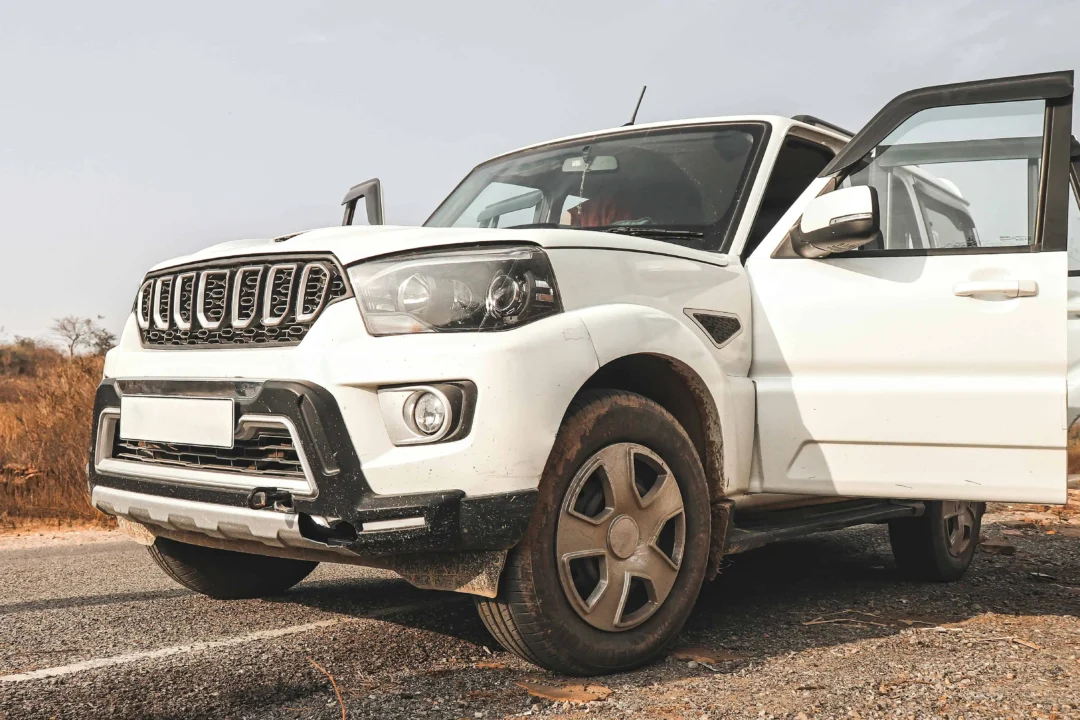
The Ultimate Guide by Ride Hub Nepal
Do you want to take a stunning trip through Nepal? Renting a vehicle is the best way to really see Nepal. You can go anywhere you want, from the cultural richness of Kathmandu Valley to the peaceful beauty of Pokhara and the wild adventures of Chitwan.
But a lot of people, both locals and tourists, make the same mistakes when renting a vehicle in Nepal. These mistakes can lead to unexpected costs, safety risks, or a poor travel experience.
We’ve worked with a variety of clients at Ride Hub Nepal, so we know exactly what can go wrong and how to prevent it. You can enjoy a smooth journey and make better decisions with the aid of this comprehensive guide.
Here are some key mistakes to avoid when renting a vehicle in Nepal to ensure a better experience.
1. Skipping a Proper Vehicle Inspection
One of the most common and costly mistakes renters make is not properly inspecting the vehicle before taking it on the road. Many people assume that if the rental company looks professional, the vehicle must be in perfect condition. While that may often be true, skipping this step can lead to misunderstandings, unexpected charges, or even safety risks.
What You Should Always Check
Before starting your trip, take a few minutes to carefully examine the vehicle.
1. Exterior Condition
- Look for scratches, dents, paint damage, or cracks
- Check mirrors and windows for any damage
- Inspect bumpers and corners (common damage areas)
2. Tires & Wheels
- Check tire pressure and tread condition
- Look for uneven wear or visible damage
- Ensure the spare tire is available and in good condition
3. Lights & Signals
- Test headlights (high/low beam)
- Check brake lights and indicators
- Ensure hazard lights are working
4. Interior & Controls
- Test brakes, clutch, and accelerator
- Check steering response
- Ensure AC, horn, and wipers are working
- Look at fuel level and odometer reading
Why This Matters
Skipping inspection can lead to serious issues:
- You might be charged for pre-existing damage
- Safety risks if brakes, tires, or lights are faulty
- Disputes at the time of vehicle return
- Unexpected breakdowns during your trip
A simple 5–10 minute check can save you time, money, and stress.
Pro Tip: Always Document Everything
Even after checking, it’s smart to keep proof.
- Take clear photos from all sides
- Capture close-ups of any damage
- Record a short video of the vehicle
This gives you solid evidence in case of any disagreement later.
2. Not Understanding Insurance Coverage
Another major mistake renters make is not fully understanding the insurance coverage included with their vehicle. Many assume they are completely protected, only to discover limitations when something goes wrong.
Insurance can be the difference between a minor inconvenience and a major financial burden, so it’s essential to know exactly what you’re covered for.
What You Should Always Check
Before confirming your booking, take time to understand the insurance details.
1. Types of Coverage
- Third-Party Insurance: Covers damage to other vehicles or people
- Comprehensive Insurance: Covers damage to the rental vehicle as well
- Personal Accident Coverage: Protection for driver/passengers (if included)
2. Coverage Limits
- Maximum claim amount
- Situations that are covered (accidents, theft, natural damage)
- Situations that are NOT covered
3. Deductible (Excess Amount)
- The amount you must pay before insurance applies
- Can vary depending on the vehicle type
4. Special Conditions
- Off-road or mountain driving restrictions
- Coverage limitations during night driving
- Valid license requirements
Common Mistakes People Make
- Assuming everything is covered
- Not asking about the deductible amount
- Ignoring exclusions like off-road damage
- Driving without proper documents (which can void insurance)
These mistakes can lead to unexpected costs during accidents or damage.
Why This Matters
If you don’t understand your insurance:
- You may have to pay high repair costs
- Claims can be rejected due to policy violations
- You could face disputes with the rental company
- Stress and delays during your trip
Knowing your coverage gives you peace of mind while traveling.
Smart Tips Before Renting
- Always ask: “What exactly is covered?”
- Read the policy carefully (don’t skip details)
- Clarify the deductible amount
- Confirm if hill/off-road travel is included
- Keep all documents valid during your trip
3. Choosing the Wrong Vehicle for the Terrain
Nepal is a country of diverse landscapes, from smooth city roads to rugged mountain trails. One of the most common mistakes renters make is choosing a vehicle based on price or appearance rather than road conditions and travel plans.
A wrong choice can lead to discomfort, safety risks, higher fuel costs, or even getting stuck in difficult terrain.
Understanding Nepal’s Road Conditions
Before selecting a vehicle, it’s important to know what kind of roads you’ll be driving on:
1. City Roads (Kathmandu, Pokhara, Lalitpur)
- Narrow streets and heavy traffic
- Frequent stops and turns
- Limited parking spaces
Best suited for: Small cars, scooters, or bikes
2. Highways & Long-Distance Routes
- Moderate road conditions
- Long driving hours
- Mix of smooth and rough patches
Best suited for: Sedans or comfortable SUVs
3. Hilly & Mountain Roads
- Steep climbs and sharp turns
- Narrow, sometimes unpaved roads
- Risk of landslides (especially in monsoon)
Best suited for: SUVs or 4WD vehicles
4. Off-Road & Trekking Routes
- Rocky, muddy, and uneven terrain
- Remote locations with limited support
Best suited for: 4WD Jeeps only
Common Mistakes
- Renting a small car for mountain or off-road travel
- Choosing a bike/scooter for long-distance or rough terrain
- Booking without considering weather conditions
- Ignoring passenger comfort for long trips
These mistakes can lead to breakdowns, unsafe driving, and an uncomfortable journey.
Choosing the Right Vehicle
Here’s a simple guide to help you:
1. Sedan (Car)
Best for:
- City travel
- Highway drives
- Small groups
2. SUV / 4WD
Best for:
- Mountain roads
- Long-distance travel
- Rough terrain and trekking routes
3. Scooter / Bike
Best for:
- Short city rides
- Easy navigation in traffic
- Budget-friendly travel
Why This Matters
Choosing the wrong vehicle can result in:
- Safety risks on difficult roads
- Increased fuel consumption
- Vehicle damage or breakdown
- A stressful and uncomfortable trip
The right vehicle ensures a safe, smooth, and enjoyable journey.
4. Focusing Only on Cheap Prices
Everyone loves a good deal but when it comes to vehicle rental in Nepal, choosing the cheapest option without looking at overall value can backfire. A low price might look attractive at first, but it often comes with hidden compromises that affect your safety, comfort, and overall experience.
Why the Cheapest Option Isn’t Always the Best
A very low rental price can sometimes indicate:
- Poor vehicle condition or lack of maintenance
- Limited or no insurance coverage
- Hidden charges added later
- Unprofessional or unreliable service
- No support in case of breakdowns
In the end, what seemed “cheap” can actually become more expensive and stressful.
What You Should Look Beyond Price
Instead of focusing only on cost, evaluate the overall value of the rental.
1. Vehicle Quality
- Is the vehicle well-maintained?
- Is it suitable for Nepal’s roads?
2. Transparency in Pricing
- Are all charges clearly explained?
- Is fuel policy mentioned?
- Any extra fees (driver, overtime, km limit)?
3. Customer Support
- Is assistance available during your trip?
- Do they respond quickly in emergencies?
4. Reviews & Reputation
- What do previous customers say?
- Is the company trustworthy?
Hidden Costs to Watch Out For
Cheap rentals often come with extra charges like:
- Fuel costs not clearly explained
- High late return penalties
- Extra charges per kilometer
- Driver accommodation and meals
- Insurance exclusions
These can quickly increase your total cost beyond your budget.
Real Impact of Choosing Cheap Rentals
- Vehicle breakdown during your trip
- Wasted time and travel delays
- Unexpected expenses
- Stress and inconvenience
- Safety risks on difficult roads
Saving a little money upfront can lead to bigger losses later.
Smart Approach: Value Over Price
Instead of asking “What is the cheapest?”, ask:
- “What is the most reliable option within my budget?”
- “What am I getting for this price?”
A slightly higher price often means better safety, service, and peace of mind.
5. Ignoring Hidden Costs
One of the most frustrating mistakes renters make is focusing only on the base rental price while ignoring additional costs. What looks like a budget-friendly deal at first can quickly turn expensive once hidden charges are added.
In Nepal’s vehicle rental market, extra fees are common, but the key is knowing about them upfront.
Common Hidden Costs in Nepal
Before booking, make sure you understand all possible extra charges:
1. Fuel Policy Charges
- Some rentals don’t include fuel
- Others require you to return the vehicle with the same fuel level
Always confirm: Full-to-full or prepaid fuel?
2. Late Return Fees
- Returning the vehicle late can result in hourly or full-day charges
- Even a small delay may cost extra
3. Extra Kilometer Charges
- Some rentals have a daily kilometer limit
- Exceeding the limit leads to additional per-km fees
4. Driver Costs (If Applicable)
- Driver’s daily allowance
- Food and accommodation expenses
- Overtime charges
5. Parking & Toll Fees
- Usually not included in rental price
- Paid separately during the trip
6. Insurance Exclusions
- Certain damages may not be covered
- You may need to pay out-of-pocket
Why People Overlook These Costs
- Focus only on the “cheap” daily rate
- Don’t ask for full pricing details
- Skip reading the rental agreement
- Assume everything is included
This leads to unexpected expenses at the end of the trip.
Real Impact of Hidden Costs
Ignoring hidden charges can result in:
- Budget overruns
- Arguments or confusion during return
- Delays in closing the rental
- Negative travel experience
A trip meant to be enjoyable can become stressful.
How to Avoid Hidden Charges
1. Ask for Full Price Breakdown
- Daily rental cost
- Fuel policy
- Driver charges
- Additional fees
2. Read the Agreement Carefully
- Check terms for mileage, fuel, and late return
- Look for penalties or extra conditions
3. Clarify Before Booking
Ask questions like:
- “Are there any extra charges?”
- “What is NOT included in this price?”
7. Underestimating Road Conditions in Nepal
Nepal offers some of the most breathtaking drives in the world, but its roads can be unpredictable and challenging, especially for first-time visitors. One of the biggest mistakes renters make is assuming that driving conditions are similar to other countries.
In reality, Nepal’s roads vary greatly depending on location, weather, and season. Underestimating this can lead to delays, discomfort, or even safety risks.
What Makes Nepal’s Roads Challenging?
1. Diverse Terrain
You may encounter all of these in a single trip:
- Smooth highways
- Narrow city streets
- Steep hill climbs
- Rough, unpaved rural roads
Road quality can change quickly within short distances.
2. Weather Impact
Nepal’s weather plays a major role in road conditions.
- Monsoon (June–September): Muddy roads, landslides, poor visibility
- Winter (Dec–Feb): Fog, icy conditions in higher altitudes
- Summer: Dusty roads and heat
Weather can make even easy routes difficult.
3. Traffic & Local Driving Style
- Heavy traffic in cities like Kathmandu
- Frequent honking (normal communication)
- Sudden stops, pedestrians, and animals on roads
Driving requires constant attention and patience.
Common Mistakes Renters Make
- Assuming all roads are well-paved
- Driving too fast on unfamiliar routes
- Planning unrealistic travel times
- Driving at night in remote areas
- Ignoring weather forecasts
These mistakes can lead to accidents, delays, or getting stuck.
Why This Matters
Underestimating road conditions can result in:
- Vehicle damage or breakdown
- Delays in reaching your destination
- Stressful driving experience
- Increased risk of accidents
Proper preparation ensures a safe and smooth journey.
Smart Driving Tips for Nepal
1. Plan Your Route in Advance
- Research road conditions
- Choose suitable routes for your vehicle
2. Avoid Night Driving
- Poor visibility and limited roadside support
- Higher risk in hills and remote areas
3. Drive Slow & Steady
- Especially on mountain roads
- Be cautious on sharp turns and slopes
4. Check Weather Before Travel
- Avoid travel during heavy rain or landslides
- Stay updated on road conditions
5. Choose the Right Vehicle
- SUV or 4WD for hills and rough roads
- Avoid small cars for off-road routes
8. Not Reading the Rental Agreement Carefully
One of the most overlooked mistakes when renting a vehicle in Nepal is signing the rental agreement without fully reading or understanding it. Many renters are in a hurry to start their trip, but skipping this step can lead to confusion, unexpected charges, or disputes later.
A rental agreement is not just a formality, it clearly defines your rights, responsibilities, and costs during the rental period.
What You Should Always Check in the Agreement
Before signing, take a few minutes to review these important details:
1. Rental Duration & Charges
- Start and end time of your rental
- Daily or hourly rate
- Extra charges for late return
2. Fuel Policy
- Full-to-full or different policy
- Who pays for fuel
- Penalties for not following the policy
3. Mileage Limit
- Daily kilometer limit (if any)
- Charges for exceeding the limit
4. Damage & Liability Terms
- Who is responsible for damages
- What is covered by insurance
- Your financial responsibility (if any)
5. Driver Terms (If Included)
- Driver’s working hours
- Overtime charges
- Food and accommodation responsibilities
6. Cancellation & Refund Policy
- Refund conditions
- Cancellation charges
- Rescheduling options
Common Mistakes People Make
- Signing without reading the full document
- Ignoring small or unclear terms
- Assuming verbal promises are included
- Not asking questions about confusing points
These mistakes often lead to unexpected costs or misunderstandings.
Why This Matters
If you don’t read the agreement carefully, you may face:
- Hidden or unexpected charges
- Disputes at the time of return
- Delays in deposit refunds
- Stress during your trip
A few minutes of reading can save you a lot of trouble later.
Smart Tips Before Signing
1. Read Everything Carefully
Even the small print matters.
2. Ask Questions
If anything is unclear, ask the rental provider immediately.
3. Confirm Verbal Agreements in Writing
Make sure all promises are included in the contract.
4. Keep a Copy
Always keep a photo or copy of the agreement for reference.
9. Last-Minute Booking
Waiting until the last moment to rent a vehicle might seem convenient, but in Nepal, it’s one of the most common mistakes that can disrupt your entire travel plan. Demand for rental vehicles can rise quickly, especially during peak tourist seasons, festivals, and long weekends.
Why Last-Minute Booking is Risky
Nepal’s travel demand is highly seasonal. During popular times, vehicles get booked out fast.
Peak Seasons in Nepal:
- Spring (March–May)
- Autumn (September–November)
- Major holidays and festivals
During these periods, availability becomes limited and prices often increase.
Problems You May Face
Booking late can lead to:
Limited Vehicle Options
- Your preferred vehicle type may not be available
- You may have to settle for a less suitable option
Higher Prices
- Rates increase due to high demand
- Fewer chances for discounts or deals
Last-Minute Stress
- Rushed decisions
- Less time to compare options
- Increased chances of choosing unreliable services
Compromised Travel Plans
- Delays in your itinerary
- Inconvenience for group travel
- Limited flexibility
Real Impact
- You might end up paying more for less quality
- You may not get a vehicle suited for Nepal’s terrain
- Your trip can become stressful instead of enjoyable
A small delay in booking can create big problems later.
Smart Booking Tips
1. Book in Advance
- Secure your vehicle early
- Get better prices and more choices
2. Plan According to Your Trip
- Choose vehicle type based on your destination
- Confirm availability before finalizing itinerary
3. Confirm Details Early
- Rental duration
- Pickup location and time
- Required documents
4. Reconfirm Before Travel
- Double-check your booking a day before your trip
Benefits of Booking Early
Planning ahead gives you more control over your trip:
- Better pricing and deals
- Wider vehicle selection
- Time to compare options
- Stress-free travel planning
10. Ignoring Local Driving Culture
Driving in Nepal is a unique experience. One of the biggest mistakes renters make, especially tourists, is assuming driving rules and behavior are the same as in their home country. In reality, Nepal has its own road culture, and understanding it is essential for a safe and stress-free journey.
What Makes Driving Culture in Nepal Different?
1. Left-Side Driving
- Nepal follows left-hand driving, which can feel unfamiliar for many visitors.
Overtaking, turning, and lane positioning require extra attention.
2. Frequent Use of Horn
Honking in Nepal is normal and often necessary.
- Used to signal presence
- Helps alert drivers on blind turns (especially in hills)
- Common in traffic and narrow roads
It’s not aggression—it’s communication.
3. Mixed Road Usage
Roads are shared by:
- Pedestrians
- Cyclists
- Motorbikes
- Animals
You must always stay alert for sudden movements.
4. Unpredictable Traffic Flow
- Sudden stops and lane changes
- Limited lane discipline in busy areas
- Traffic congestion in cities like Kathmandu
Defensive driving is key.
Common Mistakes Renters Make
- Driving too fast without understanding road behavior
- Not using the horn when needed
- Ignoring pedestrians or local road habits
- Getting frustrated in traffic
- Not adjusting to left-side driving
These mistakes can lead to confusion, stress, or accidents.
Why This Matters
Ignoring local driving culture can result in:
- Increased accident risk
- Stressful driving experience
- Vehicle damage
- Delays in travel
Adapting to local habits ensures a safer and smoother journey.
Smart Driving Tips in Nepal
1. Drive Defensively
- Always expect the unexpected
- Keep a safe distance
2. Use Horn Wisely
- Especially on curves and narrow roads
- Alert others without overdoing it
3. Stay Patient
- Traffic can be slow and chaotic
- Stay calm and focused
4. Avoid Rush Hours
- Morning and evening traffic can be heavy in cities
5. Be Extra Careful in Hills
- Slow down on turns
- Watch for oncoming vehicles
Why Choose Ride Hub Nepal?
When it comes to vehicle rental in Nepal, choosing the right company can make all the difference. At Ride Hub Nepal, we go beyond just providing vehicles, we deliver a complete, reliable, and customer-focused travel experience.
1. All-in-One Rental Solution
From cars and bikes to SUVs and jeeps, we offer a wide range of vehicles suitable for every journey i.e. city rides, highway travel, or mountain adventures.
2. Well-Maintained & Safe Vehicles
Your safety is our priority. Every vehicle is regularly serviced, inspected, and road-ready for Nepal’s diverse terrain.
3. Transparent & Fair Pricing
No hidden costs, no surprises. We believe in 100% transparency, so you always know exactly what you’re paying for.
4. Simple & Clear Process
From booking to return, everything is easy, quick, and hassle-free—with clear agreements and full guidance at every step.
5. Expert Local Guidance
Not sure which vehicle or route to choose? Our team provides personalized recommendations based on your travel plan.
6. Professional Driver Option
Enjoy a stress-free journey with our experienced drivers who know Nepal’s roads inside and out.
7. Reliable Customer Support
We’re always here for you, before, during, and after your trip with quick and helpful support whenever needed.
8. Trusted & Customer-Focused
We prioritize customer satisfaction, safety, and long-term trust, making us a reliable choice for both locals and tourists.
Conclusion
Renting a vehicle in Nepal can transform your travel experience, giving you the freedom to explore breathtaking destinations at your own pace. However, small mistakes can quickly turn that experience into unnecessary stress, extra costs, or safety risks.
By avoiding these common mistakes, from choosing the right vehicle and understanding insurance to checking road conditions and reading agreements carefully, you can ensure a smooth, safe, and enjoyable journey.
At Ride Hub Nepal, our goal is to make your travel simple, transparent, and reliable. With well-maintained vehicles, clear policies, and dedicated support, we help you travel with confidence every step of the way.
Plan smart, choose wisely, and let Ride Hub Nepal be your trusted partner for an unforgettable journey across Nepal.
Posted on