
Best Time to Travel Nepal by Road: Seasonal Guide & Tour Packages
Nepal, the land of the Himalayas, offers some of the most breathtaking road trips in the world. From winding mountain passes to scenic valleys, rural villages, and cultural hubs, a road journey here is more than just transportation, it’s an adventure. However, timing your trip is crucial, as Nepal’s weather varies greatly across seasons.
In this guide, we cover the best time to travel Nepal by road, seasonal highlights, popular road trip routes, and recommended tour packages for every type of traveler.
Why Choose Road Travel in Nepal?
Traveling by road allows you to experience Nepal at your own pace. Key benefits include:
- Flexibility: Stop anywhere for photos, local food, or cultural experiences.
- Scenic Routes: Drive through mountains, rivers, and terraced hills.
- Authentic Experience: Explore offbeat villages, local markets, and roadside tea stalls.
- Adventure Options: Combine road travel with trekking, rafting, wildlife safaris, and more.
Whether you opt for a self-drive adventure or hire a driver-included car, Nepal’s roads offer experiences you’ll never forget.
Best Seasons to Travel Nepal by Road
Nepal has four main seasons, each offering unique opportunities for travelers. Understanding each season helps you plan your trip perfectly.
1. Autumn (September – November) – Best Season
Autumn is widely considered the best time for road trips in Nepal.
Weather & Conditions:
- Clear skies and mild temperatures (20–25°C in Kathmandu, 15–20°C in Pokhara)
- Low humidity, excellent visibility of mountains
Advantages:
- Perfect for mountain photography
- Outdoor activities like trekking and rafting are ideal
- Major festivals like Dashain and Tihar add cultural richness
Activities & Destinations:
- Kathmandu Valley: Cultural tours of temples, palaces, and heritage sites
- Pokhara: Phewa Lake boating, paragliding, and Annapurna views
- Chitwan: Wildlife safari in Chitwan National Park
- Everest & Annapurna regions: Trekking and road trips to trailheads
Recommended Tour Packages:
- Kathmandu & Pokhara Express Road Trip (7 Days): Kathmandu → Pokhara → Lakeside sightseeing → Sarangkot sunrise → Drive back
- Himalayan Scenic Drive (10 Days): Kathmandu → Bandipur → Pokhara → Mustang (off-road adventure)
- Cultural & Wildlife Combo (6 Days): Kathmandu → Chitwan → Lumbini → Pokhara
Tip: Autumn is peak tourist season; book hotels and tour packages in advance.
2. Spring (March – May) – Very Good Season
Spring is another excellent season for road trips, especially for travelers seeking fewer crowds.
Weather & Conditions:
- Warm temperatures, occasional showers
- Blooming rhododendrons and wildflowers make landscapes vibrant
Advantages:
- Ideal for wildlife spotting and photography
- Moderate trekking and hiking conditions
Activities & Destinations:
- Pokhara & Annapurna Region: Trekking with blooming flora
- Ilam & Eastern Hills: Scenic tea gardens and sunrise views
- Chitwan & Bardia: Wildlife safaris
Recommended Tour Packages:
- Spring Road Trip Package (7 Days): Kathmandu → Pokhara → Sarangkot → Bandipur → Drive back
- Eastern Nepal Scenic Drive (5 Days): Kathmandu → Dharan → Ilam → Tea garden tour → Return
- Wildlife & Culture Combo (6 Days): Kathmandu → Chitwan → Lumbini → Pokhara
Tip: Carry light rain gear for occasional showers and avoid high-altitude passes on rainy days.
3. Winter (December – February) – Cold but Manageable
Winter is ideal for travelers who prefer fewer crowds and clear skies.
Weather & Conditions:
- Cold temperatures, especially in the mountains
- Snowfall possible in high-altitude regions, but lower hills remain accessible
Advantages:
- Excellent mountain visibility
- Cheaper accommodations and fewer tourists
- Road trips in low-altitude areas are comfortable
Activities & Destinations:
- Kathmandu Valley: Explore heritage sites without crowds
- Pokhara: Lakeside walks and sunrise views from Sarangkot
- Chitwan National Park: Wildlife safaris are easier as animals are active
- Lumbini: Ideal pilgrimage trips
Recommended Tour Packages:
- Winter Cultural Drive (6 Days): Kathmandu → Bhaktapur → Patan → Nagarkot → Return
- Pokhara Winter Escape (5 Days): Pokhara → Sarangkot → Lakeside → Peaceful winter trekking
- Wildlife Winter Safari (4 Days): Chitwan → Bardia → Jeep safari
Tip: Avoid high mountain roads; carry warm clothes and blankets for long drives.
4. Monsoon (June – August) – Not Recommended
Monsoon season is challenging for road travel but still offers lush landscapes for adventurous travelers.
Weather & Conditions:
- Heavy rainfall and landslides can block roads
- High humidity and slippery terrain
Advantages:
- Fewer tourists
- Lush greenery and scenic waterfalls
Activities & Destinations:
- Lowland road trips: Chitwan, Lumbini, and Pokhara
- Avoid high mountain passes like Mustang or Annapurna
Recommended Tour Packages:
- Monsoon Leisure Trip (5 Days): Kathmandu → Pokhara → Lakeside → Bandipur → Return
- Lowland Adventure & Wildlife (4 Days): Chitwan → Bardia → River rafting
Tip: Only travel on major highways; always check local weather and road conditions.
Popular Road Trip Routes in Nepal
- Kathmandu → Pokhara (~200 km, 6–8 hrs)
Highlights: Trishuli River, Bandipur, Phewa Lake, Sarangkot - Kathmandu → Chitwan (~160 km, 5–6 hrs)
Highlights: Chitwan National Park, Tharu culture, wildlife safari - Pokhara → Mustang (~375 km, 12–14 hrs)
Highlights: Tibetan culture, Kali Gandaki Gorge, Mustang plateau - Kathmandu → Ilam & Dharan (East Nepal)
Highlights: Tea gardens, panoramic hills, sunrise views
Self-Drive vs Driver-Included Options
Self-Drive:
- Best for experienced drivers
- Full flexibility, but challenging on mountain roads
Driver-Included:
- Safer for mountain passes
- Drivers know local road conditions
- Can double as a local guide
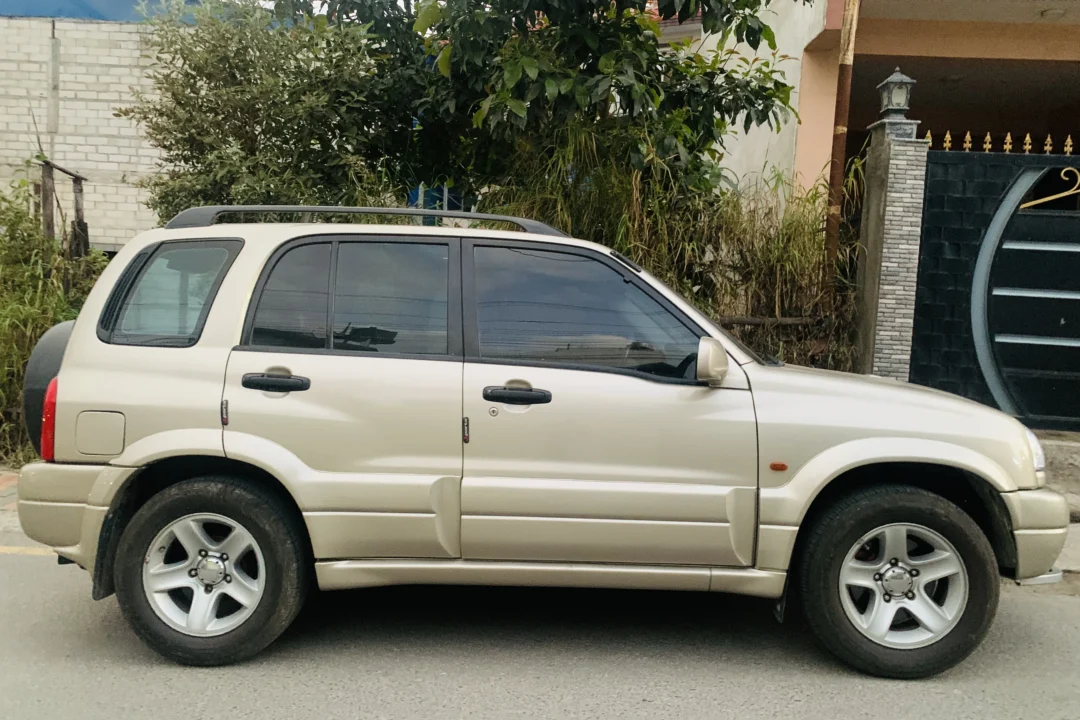
Tip: Choose 4WD vehicles for off-road adventures in Mustang, Annapurna, or East Nepal.
Essential Travel Tips for Road Trips in Nepal
- Check road conditions: Mountain roads may be blocked during monsoon or winter
- Fuel and essentials: Carry water, snacks, first-aid, and cash
- Altitude awareness: Some routes exceed 3,000 meters
- Local culture: Always ask before photographing locals
- Safety: Avoid night driving in rural mountain roads
Seasonal Travel Highlights in Nepal
Nepal offers a unique experience in every season. Knowing what to expect helps you plan your road trip perfectly.
Festivals
Nepal’s festivals are a cultural highlight and can be an unforgettable part of your road journey.
- Dashain (September–October): Nepal’s biggest festival, celebrating family, traditions, and victory of good over evil. Roads and towns are lively, but expect heavy traffic around cities.
- Tihar (October–November): Known as the festival of lights, Tihar fills towns and villages with colorful lamps and decorations, perfect for cultural photography.
- Holi (March): The festival of colors brings vibrant celebrations and street festivities, especially around Kathmandu and Pokhara. Traveling during Holi can be fun but messy—carry protective gear for your gadgets and clothes.
Wildlife Spotting
Nepal is home to incredible wildlife, and many national parks are easily accessible via road.
- Chitwan National Park: A UNESCO World Heritage site, known for Bengal tigers, one-horned rhinos, and elephants. Jeep safaris or guided tours are best accessed from Sauraha town.
- Bardia National Park: Off the beaten path, Bardia offers tiger and rhino sightings in a less crowded environment. Ideal for adventurous travelers combining road trips and wildlife exploration.
Flower Blooms
- Rhododendrons in Spring (March–May): Nepal’s national flower blooms across mid-hill regions, including Annapurna, Langtang, and Ilam. Roads through these areas are lined with vibrant red and pink blossoms, perfect for photography and nature walks.
Accommodation Options Along Popular Routes
Nepal offers accommodation options for every type of traveler, from luxury seekers to budget-conscious backpackers.
Types of Accommodation
- Hotels: Ideal for comfort and convenience in cities like Kathmandu, Pokhara, and Chitwan.
- Guesthouses & Homestays: Offer local experiences in villages like Bandipur, Lumbini, and Mustang.
- Luxury Resorts: Found in Pokhara lakeside and Nagarkot, providing mountain views and premium services.
Booking Tips
- Peak Seasons (Autumn & Spring): Book 2–3 months in advance for the best options.
- Off-Peak Seasons (Winter & Monsoon): You can find last-minute deals, but some remote lodges may be closed.
- Local Stays: Homestays not only support the local economy but also give travelers authentic cultural exposure.
Adventure Activities During Road Trips
Nepal’s road trips can be combined with adventure sports to create a thrilling itinerary.
- Trekking: Use road travel to reach trailheads for Annapurna Base Camp, Ghorepani Poon Hill, Langtang, and Mustang treks.
- Paragliding: Popular in Pokhara with spectacular views of the Himalayas and Phewa Lake.
- Rafting & Kayaking: Trishuli and Bhote Koshi rivers are ideal for adrenaline-filled experiences.
- Zip-lining: Pokhara offers the world’s longest zip line, accessible via short drives from the city.
Tip: Combine road travel with adventure activities by scheduling stops near towns that serve as adventure hubs. This makes the journey both scenic and action-packed.
Local Food to Try Along the Way
Nepal’s roadside food is a major part of the travel experience. Don’t miss these specialties:
Popular Dishes
- Momo: Nepali dumplings available steamed, fried, or with soup.
- Dal Bhat: Traditional lentil soup with rice and vegetables, a staple for long road trips.
- Thakali Cuisine: Set meals with rice, lentils, meat, and pickles, famous in Mustang and mid-hill regions.
- Newari Delicacies: Try chatamari, yomari, and sukuti in Kathmandu and Bhaktapur.
Roadside Snacks
- Tea shops along highways offer chiya (milk tea), samosas, and local sweets—perfect for short breaks.
- Fresh fruits and local juice are widely available in rural towns.
Tip: Always try local eateries instead of only big restaurants. They give an authentic taste of Nepalese cuisine and support small businesses.
Tips for International Travelers
Traveling to Nepal by road is exciting, but international visitors should be prepared for local regulations, driving rules, and cultural norms.
Driving Permits and Local Traffic Rules
- International Driving Permit (IDP): Required for foreigners driving in Nepal. Valid IDP along with your home country license must be carried at all times.
- Traffic Rules: Nepal drives on the left-hand side. Speed limits are 40–50 km/h in towns, 60–80 km/h on highways, and slower on mountain roads.
- Road Conditions: Mountain roads are narrow and winding. Be cautious on blind turns and during rainy seasons.
- Toll Roads & Parking: Some highways and bridges require tolls. Parking is limited in cities—look for marked lots.
Renting Vehicles for Foreigners
- Self-Drive Rentals: Limited to experienced drivers with an IDP. Most rentals are SUVs or 4WD vehicles for mountain routes.
- Driver-Included Rentals: Safer option for foreigners unfamiliar with local roads. Drivers also serve as local guides.
- Insurance: Ensure the rental company provides full insurance coverage including roadside assistance.
Language and Cultural Etiquette
- Language: Nepali is the official language. English is widely understood in cities and tourist areas.
- Etiquette: Remove shoes when entering temples or homes, avoid public displays of affection, and ask permission before photographing locals.
- Tipping: Common in restaurants, hotels, and for drivers (5–10% is standard).
Travel Insurance and Health Safety Tips
Traveling in Nepal involves mountain passes and remote areas, so safety is crucial.
Altitude Sickness Precautions
Roads can reach high altitudes, e.g., Mustang or Everest regions. Symptoms include headache, nausea, and fatigue.
Tips:
- Ascend gradually
- Stay hydrated
- Avoid alcohol at high altitudes
- Carry medication like Diamox if recommended by a doctor
Emergency Numbers and Hospitals
- Ambulance: 102 or 112
- Police: 100
- Tourist Police (Kathmandu & Pokhara): 166001
Major hospitals along main highways include:
- Kathmandu: Norvic, CIWEC, Grande International
- Pokhara: Western Regional Hospital, Manipal Teaching Hospital
- Chitwan: Bharatpur Hospital
Tip: Carry a first-aid kit and know your nearest medical facilities, especially when traveling to remote areas.
Sustainable Travel Tips in Nepal
Nepal’s natural beauty and cultural heritage depend on responsible tourism. Here’s how travelers can make a positive impact:
Eco-Friendly Driving
- Avoid unnecessary idling of vehicles to reduce carbon emissions.
- Use fuel-efficient vehicles for long trips.
- Follow local speed limits to reduce dust and noise pollution on mountain roads.
Supporting Local Communities
- Stay in homestays or locally owned guesthouses instead of international chains.
- Buy souvenirs from local artisans rather than imported goods.
- Eat at roadside eateries run by locals to contribute to the local economy.
Waste Management While on the Road
- Carry reusable water bottles and avoid single-use plastics.
- Dispose of trash only in designated bins; carry a small bag for litter when driving in remote areas.
- Respect rivers, parks, and heritage sites by leaving no trace behind.
FAQs About Traveling Nepal by Road
1. What is the best season to travel Nepal by road?
The best seasons are autumn (September–November) for clear skies and festivals, and spring (March–May) for blooming landscapes. Winter is suitable for low-altitude road trips, while monsoon (June–August) is challenging due to heavy rain and landslides.
2. Can international travelers drive in Nepal?
Yes, with a valid International Driving Permit (IDP) and your home country license. Roads can be challenging, so many foreigners opt for driver-included rentals for safety.
3. Which vehicles are recommended for Nepal road trips?
A 4WD SUV is ideal for mountain roads like Mustang, Annapurna, and Everest regions. Standard sedans work for plains and highways.
4. How safe are the roads in Nepal?
Major highways are generally safe, but mountain roads are narrow, winding, and prone to landslides. Avoid night driving in rural or high-altitude areas.
5. What are the must-visit routes for road trips?
- Kathmandu → Pokhara: Trishuli River, Bandipur, Phewa Lake
- Kathmandu → Chitwan: Wildlife safari and Tharu villages
- Pokhara → Mustang: Kali Gandaki Gorge and Tibetan culture
- East Nepal: Ilam & Dharan for tea gardens and hills
6. How can I combine road trips with trekking?
Drive to trekking trailheads like Annapurna Base Camp, Ghorepani Poon Hill, Langtang, or Mustang, then continue trekking for a multi-adventure experience.
7. Are there tour packages available for Nepal road trips?
Yes! Agencies offer seasonal packages combining sightseeing, adventure activities, and cultural experiences. Popular seasons for packages are autumn and spring.
8. What are the popular adventure activities along road trips?
Trekking, paragliding in Pokhara, rafting in Trishuli and Bhote Koshi, and zip-lining near Pokhara are popular options.
9. What local food should I try along the road?
Must-try dishes include momo, dal bhat, Thakali cuisine, and Newari delicacies. Roadside tea shops offer chiya, samosas, and fresh fruits.
10. What precautions should I take for altitude sickness?
Ascend gradually, stay hydrated, avoid alcohol, and consider medication like Diamox if recommended. Be aware of symptoms like headaches, nausea, or fatigue.
11. Are hotels and accommodations available along road trip routes?
Yes, options include hotels, guesthouses, homestays, and luxury resorts. Book in advance during peak seasons (autumn & spring). Off-peak seasons may have limited options in remote areas.
12. What emergency numbers should I know?
- Ambulance: 102 or 112
- Police: 100
- Tourist Police (Kathmandu & Pokhara): 166001
- Hospitals: Norvic, CIWEC (Kathmandu), Western Regional Hospital (Pokhara), Bharatpur Hospital (Chitwan)
13. How can I practice sustainable travel while driving in Nepal?
Use eco-friendly vehicles, avoid littering, stay in homestays, support local businesses, and carry reusable bottles to reduce plastic use.
14. Is traveling during festivals like Dashain or Tihar recommended?
Festivals provide a cultural experience but roads may be crowded, and accommodation prices higher. Planning and booking in advance is essential.
15. Can foreigners rent a car without a driver?
Yes, but only with an IDP and prior driving experience in mountain roads. For remote or challenging regions, a driver-included rental is safer.
16. Are mobile networks available along highways and mountain roads?
Major highways and towns have coverage, but signal may be weak in remote mountain areas. Carry offline maps or GPS devices.
17. Can I travel Nepal by road during the monsoon season?
Only lowland areas like Chitwan, Lumbini, and Pokhara are safe. Mountain passes are prone to landslides, flooding, and roadblocks.
18. What is the cost range for road trip rentals?
Self-drive cars start around $50–$80/day, while driver-included rentals range $80–$150/day depending on vehicle type and season.
19. How can I plan a road trip with both sightseeing and adventure sports?
Choose hubs like Pokhara or Chitwan where you can combine trekking, rafting, paragliding, and wildlife safaris with scenic drives.
20. What should I pack for a Nepal road trip?
Essentials include warm and layered clothing, rain gear, first-aid kit, water, snacks, camera, offline maps, and a power bank.
Posted on