

Kathmandu to Shey Phoksundo Lake Distance: A Comprehensive Travel and Transportation Guide (2026)
Kathmandu to Shey Phoksundo Lake Distance
The Kathmandu to Shey Phoksundo Lake distance may seem short on a map, but the actual journey involves flights, road travel, and trekking through some of Nepal’s most remote landscapes. Shey Phoksundo Lake is situated in the distant Dolpa region of western Nepal and is celebrated for its sparkling turquoise waters and stunning mountain views. Even though the straight-line distance from Kathmandu is approximately 330 kilometers, traveling to the lake involves a more complex journey that includes driving, flying, and trekking.
The journey itself is an important part of the adventure. Travelers pass through various terrains, traditional villages, and some of the least-visited areas of Nepal before arriving at this stunning alpine destination.
Why Shey Phoksundo Lake is Worth Visiting
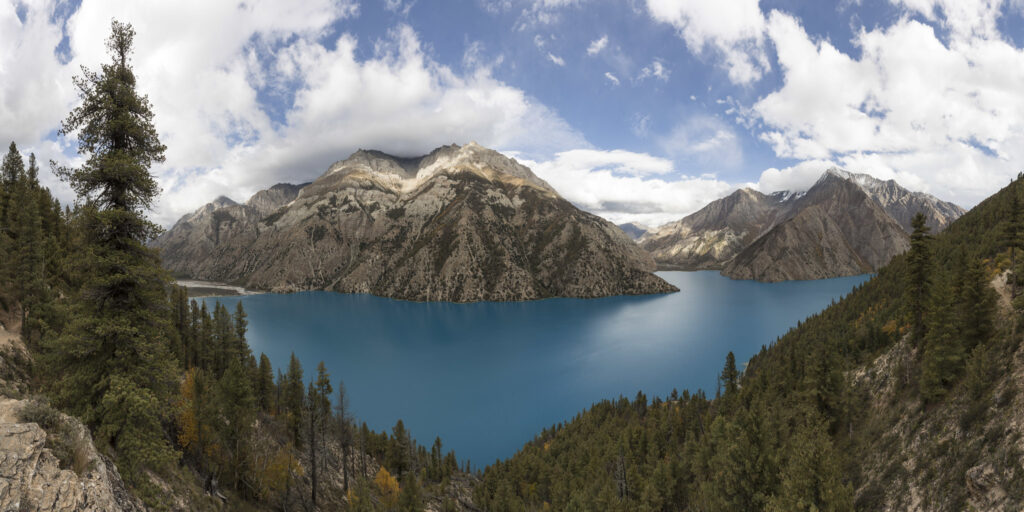
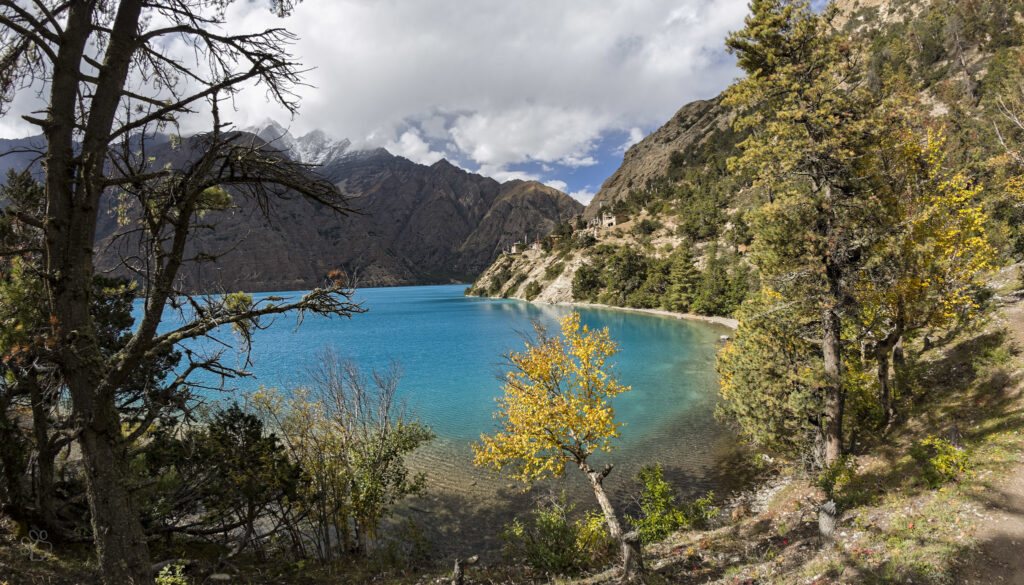
Unlike many well-known trekking spots, Shey Phoksundo provides a tranquil and authentic experience, allowing visitors to connect deeply with nature. It is located within Nepal’s largest national park, showcasing untouched beauty and long-standing cultural heritage.
Visitors are attracted for several reasons:
- The lake’s beautiful turquoise color and pristine setting.
- Traditional Tibetan-influenced villages.
- Quiet trekking paths away from busy tourist areas.
- Unique wildlife and magnificent mountain views.
- A more meaningful and slower travel experience.
For those seeking a different part of Nepal, Shey Phoksundo offers an unforgettable journey.
Understanding the Kathmandu to Shey Phoksundo Lake Distance and Travel Routes
Traveling to Shey Phoksundo requires careful planning, and there are multiple ways to organize your trip depending on your preferences and available time.
The Popular Flight Route
Most travelers follow this route:
Kathmandu → Nepalgunj → Juphal → Shey Phoksundo Lake
After arriving in Nepalgunj, visitors take a short flight to Juphal and then start trekking towards the lake. This option is faster but depends on mountain weather and flight availability.
Exploring with Private Transportation
For travelers who value flexibility and comfort, private transportation offers a different way to experience western Nepal. There are no fixed schedules, so you can enjoy a personalized journey with stops, overnight stays, and local experiences.
Ride Hub Nepal offers customized transportation services, including airport transfers, vehicle rentals, and private intercity travel. These options are especially useful for families, small groups, and travelers looking to combine road travel with flights.
Advantages include:
- Flexible departure times.
- Comfortable vehicles for long-distance travel.
- Experienced drivers familiar with mountain conditions.
- Opportunities to explore places beyond the main route.
- A more relaxed and personalized travel experience.
A Scenic Overland Alternative
Adventure travelers often prefer the road through western Nepal to experience places that many visitors don’t see.
A popular route is:
Kathmandu → Surkhet → Nepalgunj → Dolpa
This journey offers beautiful landscapes, local markets, riverside towns, and opportunities to experience daily life in Nepal. Although it takes longer than flying, the memories created along the way are often just as rewarding as the destination itself.
Private transportation makes this type of itinerary easier to manage, allowing travelers to stop whenever they want and travel at their own pace.
Why More Travelers Are Choosing Private Transportation
Knowing the Kathmandu to Shey Phoksundo Lake distance helps travelers plan their transportation options more effectively, especially when combining road travel with domestic flights.
With Ride Hub Nepal, travelers can enjoy:
- Safe and comfortable transportation.
- Flexible travel schedules.
- Door-to-door pickup services.
- Local knowledge and travel advice.
- Customized itineraries based on personal interests.
Whether you’re traveling alone or with friends and family, personalized transportation allows you to focus on the experience rather than the logistics.
Best Time to Visit Shey Phoksundo Lake
Choosing the right season can greatly affect your journey.
Spring (March to May)
Spring brings clear skies, blooming rhododendrons, and comfortable temperatures. It is one of the most popular times to visit the Dolpa region.
Autumn (September to November)
Autumn offers stable weather and excellent visibility, making it ideal for trekking and photography.
Winter (December to February)
The area becomes quieter in winter, with snow-covered landscapes and a different atmosphere. Travelers should be prepared for colder temperatures and possible travel delays.
Monsoon (June to August)
Although Dolpa receives less rainfall than eastern Nepal, weather conditions can still impact transportation and trekking. Flexible travel plans are recommended during this season.
Preparing for the Journey
A little preparation can make a big difference when visiting remote destinations like Shey Phoksundo.
Before setting off, make sure to:
- Check weather forecasts and transportation schedules.
- Carry enough cash for smaller villages.
- Pack warm clothing and rain protection.
- Keep permits and identification documents organized.
- Allow extra days in your itinerary for unexpected changes.
Having dependable local support and well-planned transportation arrangements helps ensure a smoother and more enjoyable adventure from start to finish.
How Much Does It Cost to Travel to Shey Phoksundo Lake?
The cost of visiting Shey Phoksundo Lake can vary based on your travel style, choice of transportation, and the length of your trip.
Some travelers prefer a simple trek, while others opt for private transportation and customized arrangements for more comfort and convenience.
Your budget will generally include:
- Domestic flights or private transfers.
- National park permits and entry fees.
- Accommodation during the trek.
- Meals and daily essentials.
- Guide or porter services, if needed.
- Additional transportation within western Nepal.
Planning ahead helps you manage expenses more effectively and enjoy the journey without unnecessary stress.
Where to Stay Around Shey Phoksundo Lake
Accommodation in the Dolpa region is modest but has its own charm. Family-run lodges and traditional teahouses offer travelers a warm welcome and an authentic experience of local life.
Most places offer:
- Clean and comfortable rooms.
- Freshly prepared local meals.
- Friendly hospitality.
- Beautiful mountain surroundings.
- Opportunities to learn about regional traditions.
Visitors come here for simplicity, genuine connections, and unforgettable landscapes rather than luxury amenities.
If you’re exploring multiple destinations, arranging transportation and overnight stops through Ride Hub Nepal can make the overall experience much more convenient.
Food to Enjoy During the Journey
Trying local cuisine is one of the most rewarding parts of traveling in western Nepal. The meals are hearty, nutritious, and perfect for long days on the trail.
Some favorites include:
- Traditional dal bhat with vegetables and lentils.
- Steamed or fried momos.
- Tibetan bread served with tea.
- Thukpa, a comforting noodle soup.
- Seasonal dishes prepared by local families.
Choosing busy local eateries often means fresher ingredients and a more authentic dining experience. Carrying a few snacks and staying well hydrated is also a good idea, especially during longer trekking days.
Suggested 8-Day Itinerary
Since the Kathmandu to Shey Phoksundo Lake distance cannot be covered in a single day, most travelers allocate 8 to 10 days for a comfortable and rewarding experience.
| Day | Route | Highlights |
|---|---|---|
| Day 1 | Kathmandu → Nepalgunj | Begin your adventure with a domestic flight or a customized road journey through Ride Hub Nepal. Scenic overland travel offers a wonderful introduction to western Nepal. |
| Day 2 | Nepalgunj → Juphal → Dunai | Fly to Juphal and start trekking to Dunai, the administrative heart of Dolpa and the gateway to remote mountain communities. |
| Day 3 | Dunai → Chhepka | Trek through pine forests, cross suspension bridges, and follow the beautiful Phoksundo River while experiencing rural Himalayan life. |
| Day 4 | Chhepka → Ringmo Village | Reach the traditional village of Ringmo, famous for its stone houses, Buddhist culture, and stunning mountain surroundings. |
| Day 5 | Explore Shey Phoksundo Lake | Spend the day discovering Nepal’s deepest lake, admired for its turquoise waters, dramatic cliffs, and peaceful atmosphere. |
| Day 6 | Shey Phoksundo → Chhepka | Begin the return trek, enjoying fresh perspectives of the landscapes and viewpoints along the route. |
| Day 7 | Chhepka → Juphal | Complete your trek back to Juphal and prepare for your journey out of the Dolpa region. |
| Day 8 | Juphal → Kathmandu | Return to Kathmandu by flight or continue exploring western Nepal with a customized overland itinerary and private transportation support. |
Traveling Responsibly in Dolpa
The untouched beauty of Shey Phoksundo exists because local communities have carefully preserved their environment and traditions for generations.
As a visitor, you can contribute by:
- Using reusable water bottles.
- Carrying your waste until proper disposal points are available.
- Respecting local customs and religious practices.
- Supporting locally owned lodges and businesses.
- Asking permission before photographing people or sacred places.
Responsible travel helps protect the region while creating positive experiences for both visitors and residents.
Why Choose Ride Hub Nepal?
Reaching remote destinations requires reliable local support, especially when traveling across western Nepal. Ride Hub Nepal offers transportation services designed to provide flexibility, comfort, and peace of mind throughout your journey.
Travelers can benefit from:
- Private vehicle rentals for individuals and groups.
- Airport pickup and drop-off services.
- Experienced drivers familiar with mountain routes.
- Flexible schedules based on personal travel plans.
- Customized itineraries for off-the-beaten-path adventures.
Whether you’re combining flights with road travel or exploring several destinations in one trip, dependable transportation allows you to focus on the experience itself.
Final Thoughts
Although the Kathmandu to Shey Phoksundo Lake distance is approximately 330 kilometers in a straight line, the journey itself becomes one of the most memorable parts of exploring western Nepal.
Traveling from Kathmandu to Shey Phoksundo Lake is more than simply reaching a destination, it’s about embracing one of Nepal’s last truly remote adventures. From traditional villages and dramatic landscapes to meaningful cultural encounters, every stage of the journey offers something memorable. While the route requires preparation and flexibility, the rewards are extraordinary. With thoughtful planning and trusted local support, travelers can experience western Nepal comfortably and confidently.
For those looking for personalized transportation solutions, Ride Hub Nepal provides reliable services that help transform a challenging journey into a smooth and enjoyable adventure.
Frequently Asked Questions
1. What is the Kathmandu to Shey Phoksundo Lake distance?
The Kathmandu to Shey Phoksundo Lake distance is approximately 330 kilometers in a straight line, but the actual journey involves flights, road travel, and trekking through the remote Dolpa region.
2. How many days should I plan for the trip?
An itinerary of 8 to 10 days allows enough time to enjoy the destination without rushing and provides flexibility for weather-related changes.
3. What is the best season to visit Shey Phoksundo Lake?
Spring and autumn are generally considered the best times to visit due to stable weather, clear skies, and comfortable trekking conditions.
4. Can I arrange private transportation for part of the journey?
Yes.
Many travelers choose private transportation for airport transfers, intercity travel, and customized itineraries across western Nepal.
5. Are permits required to visit Shey Phoksundo Lake?
Yes.
Visitors need a Shey Phoksundo National Park entry permit, and additional permits may be necessary depending on the broader travel route.