
Jeep Rental for Trekking Routes in Nepal
Nepal is a country where the journey often becomes as memorable as the destination itself. As you move away from busy cities, the landscape quickly changes into rolling green hills, deep river valleys, dense forests, and eventually the dramatic Himalayan terrain. Every road you take feels like part of the adventure, offering glimpses of local villages, terraced farms, and snow capped peaks in the distance.
Trekking is one of the most popular ways to experience this natural beauty, but getting to the starting point of these treks is not always simple. Many famous trekking routes begin in remote regions where transportation options are limited. Public buses may be infrequent, overcrowded, or unable to reach the final access points due to rough and unpaved roads. In some cases, travelers have to rely on multiple transport changes, which can be time consuming and physically tiring even before the trek begins.
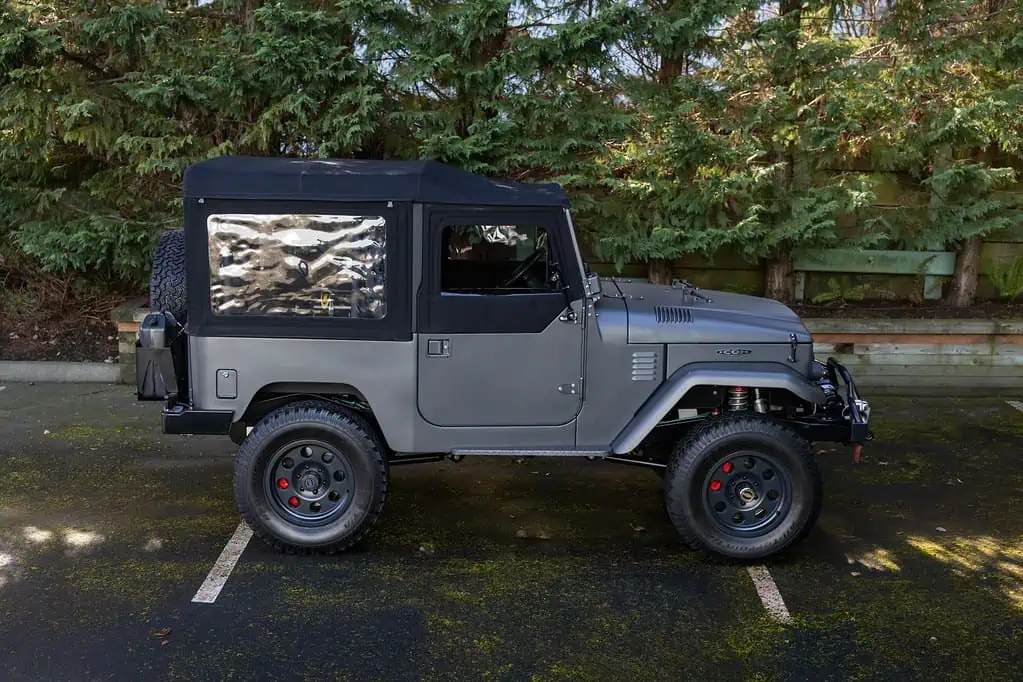
This is where jeep rental for trekking routes in Nepal becomes a practical and valuable choice. Renting a jeep allows you to travel directly to key trekking gateways with greater ease and reliability. These vehicles are built to handle challenging road conditions, including steep climbs, rocky paths, and uneven terrain that are common in Nepal’s rural areas. Instead of worrying about delays or discomfort, you can enjoy a smoother and more controlled journey.
Another important advantage is flexibility. With a jeep, you are not tied to fixed schedules or routes. You can start your trip at a convenient time, take breaks along the way, and even explore small towns or scenic spots that are often missed when using public transport. This makes the journey more relaxed and enjoyable, especially for travelers who want to experience Nepal beyond just trekking trails.
Whether you are planning to explore the Everest region, the Annapurna trails, the peaceful Langtang Valley, or the unique landscapes of Mustang, a jeep rental helps you begin your adventure in a more comfortable and efficient way. It ensures that you arrive at your trekking starting point refreshed, prepared, and ready to fully enjoy the experience ahead.
Why Jeep Rental is Important for Trekking in Nepal
1. Access to Remote Locations
One of the biggest challenges of trekking in Nepal is simply reaching the starting point. Many of the country’s most popular trekking routes begin in remote mountain regions where infrastructure is still developing. Roads in these areas are often narrow, unpaved, and affected by weather conditions, making regular vehicles or public buses unreliable.
Jeep rentals are specifically suited for these conditions. With strong engines and four wheel drive capability, they can handle rough terrain, steep climbs, river crossings, and landslide affected roads that are common in rural Nepal. This allows travelers to reach places that are otherwise difficult or sometimes impossible to access by standard transport.
Another important advantage is that jeeps can take you much closer to the actual trailhead. In many cases, public buses stop far from the trekking starting point, requiring additional hours or even a full day of walking just to begin the trek. A jeep helps reduce this extra effort, saving both time and energy.
For regions like Everest, Annapurna, Langtang, or Mustang, where access routes can be long and challenging, jeep rental provides a direct and dependable solution. It ensures that your journey starts smoothly, without the stress of complicated travel arrangements or unexpected delays.
2. Saving Time and Energy
Reaching trekking starting points in Nepal can often take long hours or even an entire day when using public transportation. Buses usually follow fixed schedules, make frequent stops, and may require multiple changes along the way. This not only increases travel time but can also be physically tiring, especially before a trek that already demands endurance.
Jeep rental helps you avoid these challenges by offering a faster and more direct route to your destination. Instead of waiting for buses or adjusting your plans around limited schedules, you can depart at your preferred time and reach the trailhead without unnecessary delays. This efficiency is especially valuable for travelers with limited time in Nepal.
Another important factor is energy conservation. Long and uncomfortable bus rides on rough roads can leave you feeling exhausted before your trek even begins. In contrast, a jeep provides a smoother and more comfortable journey, allowing you to arrive feeling refreshed and ready for the adventure ahead.
By saving both time and physical effort, jeep rental ensures that you can focus your energy where it matters most on enjoying the trek and fully experiencing the beauty of the Himalayas.
3. Comfort and Safety
Traveling to trekking regions in Nepal often involves long hours on rough and uneven roads. Public transportation in such conditions can be crowded, uncomfortable, and sometimes unpredictable. This can make the journey tiring and stressful, especially before starting a physically demanding trek.
Jeep rentals provide a much higher level of comfort. With spacious seating, better suspension, and fewer passengers, you can enjoy a smoother and more relaxed ride. You also have the freedom to stop whenever needed for rest, meals, or short breaks, which makes the journey far more manageable.
Safety is another major advantage. Roads leading to trekking areas are often narrow, steep, and affected by landslides or weather conditions. Professional jeep drivers are experienced in handling these challenging routes and are familiar with local road conditions. Their expertise significantly reduces travel risks and ensures a more secure journey.
In addition, well maintained jeeps are designed for off road performance, offering better stability and control compared to regular vehicles. This makes them a reliable choice for navigating difficult terrains.
Overall, jeep rental allows you to travel with peace of mind, combining comfort and safety so you can focus on enjoying your trip rather than worrying about the journey.
Popular Trekking Routes Accessible by Jeep
Nepal offers a wide range of trekking destinations, many of which can be reached more easily with a jeep. These routes often begin in remote areas where road conditions are challenging, making jeep travel the most practical option. Here are some of the most popular trekking routes that are accessible by jeep:
1. Everest Region
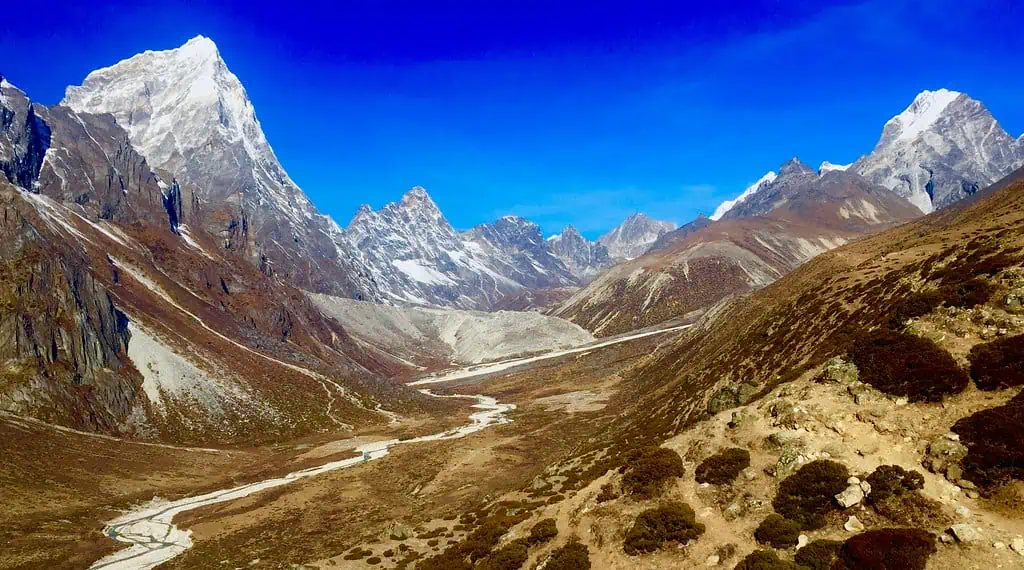
The Everest region is one of the most iconic trekking destinations in the world, attracting adventurers who want to experience the beauty of the Himalayas and get close to Mount Everest. Traditionally, most trekkers fly from Kathmandu to Lukla, which is considered the main gateway to the Everest Base Camp trek. However, flights to Lukla are often affected by weather conditions, leading to delays or cancellations.
As an alternative, many travelers now choose to travel by jeep, which offers a more reliable and scenic route. The journey typically takes you from Kathmandu to Salleri or Phaplu, both of which are accessible by road. From Salleri, trekkers can either start walking directly or take another jeep further toward Surke, getting even closer to the main Everest trail.
Although the jeep journey is longer than a flight, it provides a unique opportunity to experience Nepal beyond the typical tourist route. You pass through small towns, traditional villages, rivers, and hillside landscapes that give you a deeper understanding of local life. It also allows for gradual altitude gain, which can help with acclimatization before heading into higher elevations.
Another major advantage of choosing a jeep over a flight is cost and reliability. Jeep travel is generally more budget friendly and not affected by sudden weather changes in the same way flights are. This makes it a practical choice, especially during peak trekking seasons when flights are in high demand.
Overall, traveling to the Everest region by jeep is a great option for those who prefer a more flexible, immersive, and dependable journey. It adds an extra layer of adventure to your trip while ensuring you reach your trekking starting point without unnecessary stress.
2. Annapurna Region
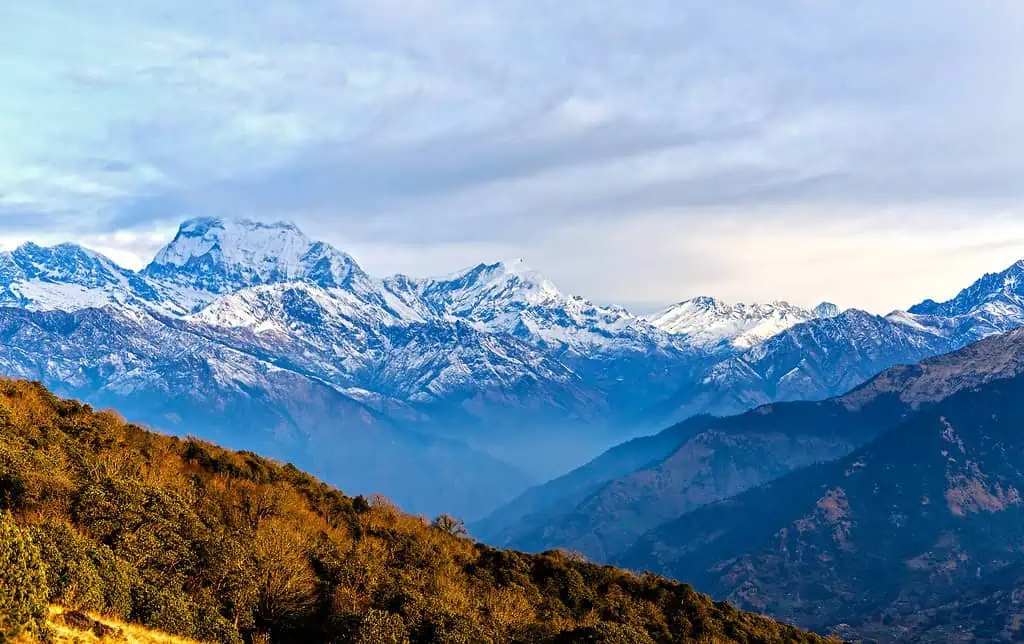
The Annapurna region is one of the most popular trekking destinations in Nepal, known for its diverse landscapes, cultural villages, and stunning Himalayan views. It attracts both beginners and experienced trekkers because of its well established trails and variety of routes.
Most treks in this region start from Pokhara, which serves as the main gateway to Annapurna trekking routes. From here, travelers can easily access different trailheads using jeep transportation.
A jeep can take you from Pokhara to places like Nayapul, Ghandruk, or Jhinu Danda for shorter treks such as Annapurna Base Camp. For longer routes like the Annapurna Circuit, jeeps can be used from Kathmandu to Besisahar and then further to Chame or Manang, reducing several days of walking on rough access roads.
The road conditions in the Annapurna region vary from smooth highways to rough off road mountain tracks. Because of this, jeep travel is the most reliable option compared to public buses, which may not reach deeper sections of the route.
Another advantage of using a jeep is flexibility. Travelers can choose departure times, stop at scenic viewpoints, and adjust their route based on comfort and trekking plans. This makes the journey more personalized and less stressful.
Overall, jeep rental in the Annapurna region helps trekkers save time, travel safely, and begin their adventure in a more comfortable way.
3. Langtang Valley
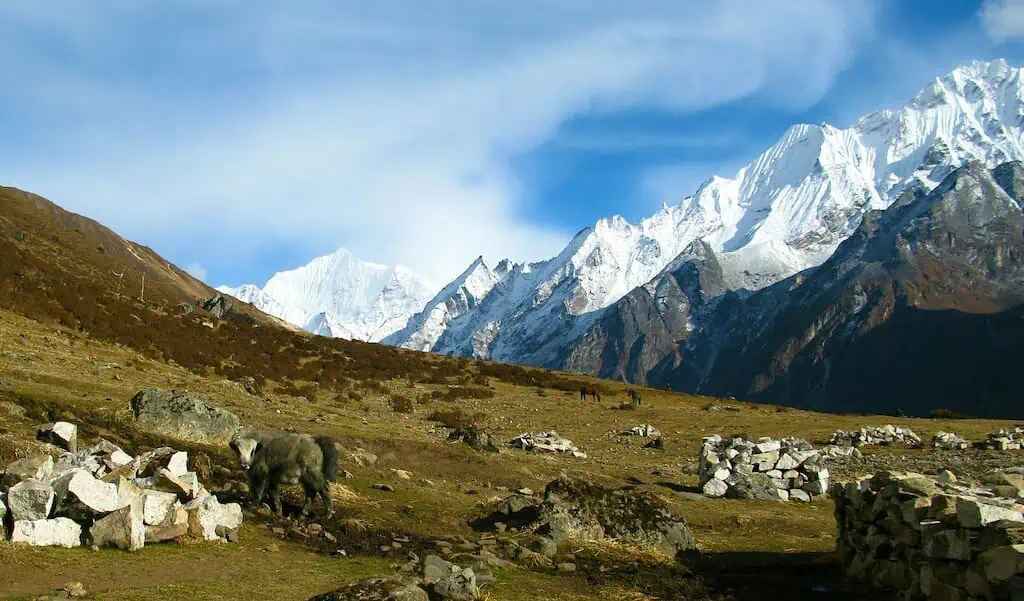
Langtang Valley is one of the closest trekking regions to Kathmandu and is well known for its beautiful mountain views, peaceful environment, and rich Tamang culture. It is often called the “Valley of Glaciers” because of its stunning snowy landscapes and surrounding peaks.
The journey to Langtang begins from Kathmandu, and the main access point for the trek is Syabrubesi. This is where jeep rental becomes extremely important, as the road leading there is long, narrow, and often rough with frequent bends and uneven surfaces.
A jeep ride to Syabrubesi is much more comfortable and reliable compared to public buses. While buses are available, they are often crowded and slower due to multiple stops along the way. A jeep allows you to travel directly with fewer interruptions, making the journey smoother and less tiring.
The road conditions to Langtang can also be affected by weather, especially during the monsoon season when landslides are common. In such situations, a sturdy jeep with an experienced driver is the safest and most dependable option.
Another advantage of using a jeep for this route is time efficiency. The journey typically takes several hours, and a jeep helps reduce unnecessary delays so you can reach the trailhead earlier and begin your trek with more energy.
Overall, jeep rental plays a key role in making the Langtang Valley trek more accessible, comfortable, and safe. It ensures that trekkers can focus on enjoying the natural beauty of the region rather than worrying about difficult road conditions.
4. Upper Mustang
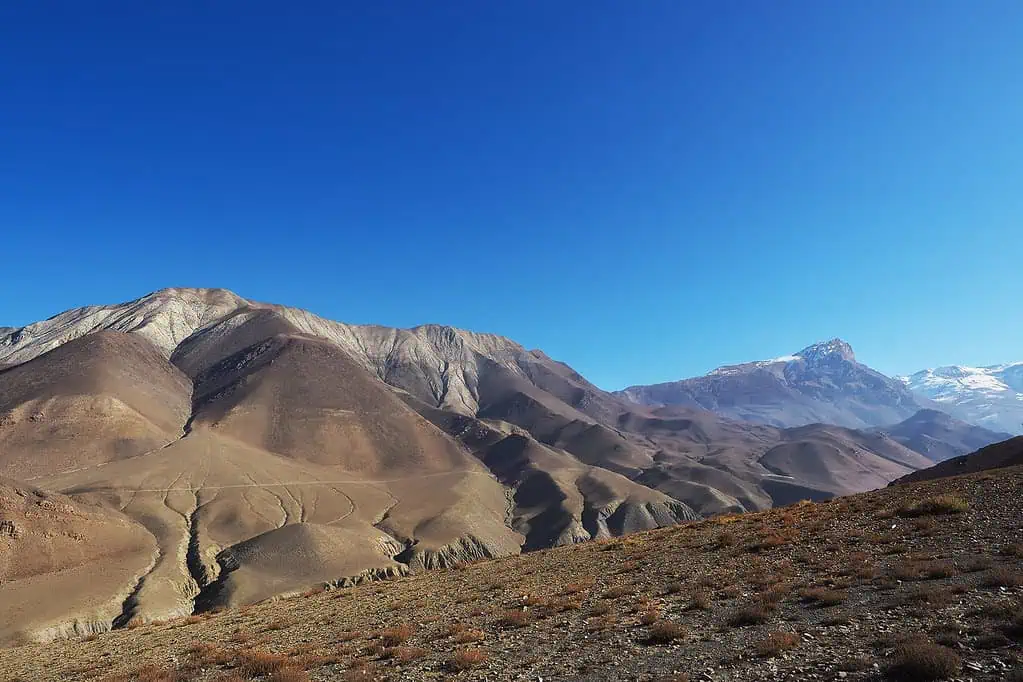
Upper Mustang is one of the most unique and culturally rich trekking regions in Nepal. Often called the “Last Forbidden Kingdom,” it offers a completely different landscape compared to other parts of the Himalayas. Instead of green hills and forests, you will find dry desert like terrain, deep valleys, ancient caves, and centuries old monasteries influenced by Tibetan culture.
The journey to this region usually begins from Pokhara, and jeep travel is the most practical and widely used way to reach the upper parts of Mustang. The road from Pokhara to Jomsom and beyond is long, rugged, and often dusty or rocky, making regular vehicles and buses less reliable.
A jeep allows travelers to move deeper into the region with greater comfort and stability. Many trekkers travel by jeep up to Jomsom or even further toward Lo Manthang, which is the main cultural hub of Upper Mustang. This significantly reduces trekking days and makes the journey more accessible for those with limited time.
One of the key benefits of jeep travel in Upper Mustang is safety and convenience. The terrain is dry and windy, and road conditions can change depending on weather and local maintenance. A four wheel drive jeep with an experienced driver ensures better control and reliability throughout the journey.
Jeep travel also provides flexibility, allowing travelers to stop in villages, explore monasteries, and enjoy panoramic views of the Himalayas and desert landscape. This makes the journey itself a memorable part of the overall experience.
Overall, jeep rental is almost essential for exploring Upper Mustang, as it offers the best combination of comfort, safety, and access to this remote and culturally rich region.
5. Manaslu Circuit
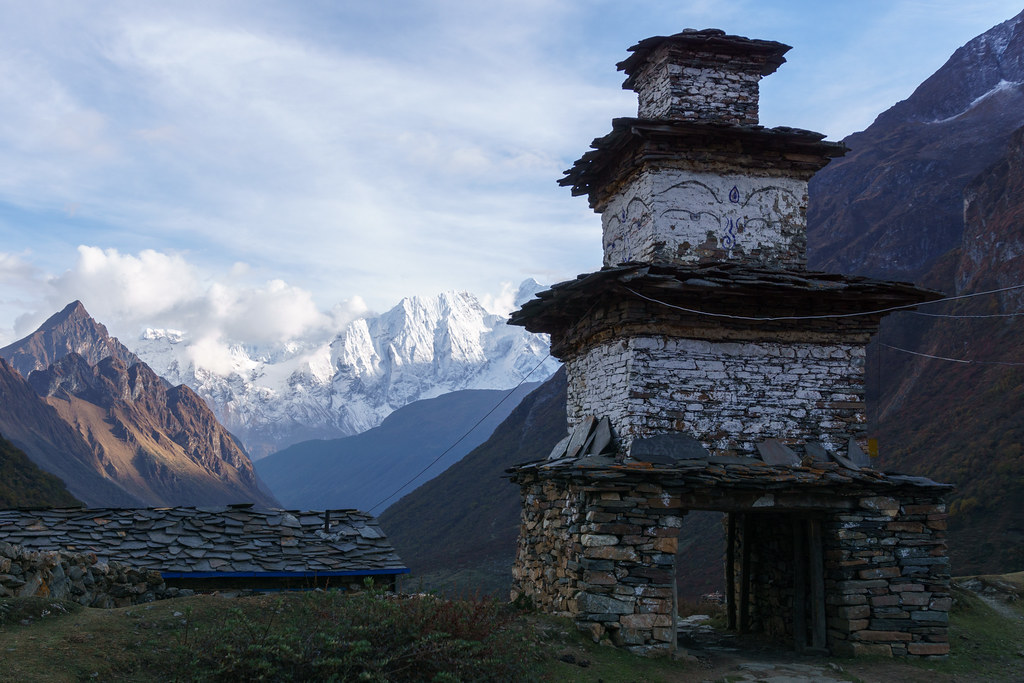
The Manaslu Circuit is one of Nepal’s most beautiful and less crowded trekking routes, offering a perfect blend of natural scenery, remote mountain villages, and rich cultural heritage. It circles around Mount Manaslu, the eighth highest mountain in the world, and takes trekkers through diverse landscapes ranging from low river valleys to high alpine terrain.
The journey to this trek begins from Kathmandu, and jeep rental plays an important role in reaching the starting points. The main access roads lead to places like Soti Khola or Machha Khola, which are the common entry points for the Manaslu Circuit trek.
The road conditions in this region are rough and often challenging. You will find narrow mountain roads, river crossings, and uneven surfaces that are not suitable for regular buses or small cars. Because of this, a strong four wheel drive jeep is the most reliable and practical option for reaching the trailhead.
A jeep not only provides better safety but also ensures a more comfortable journey. Instead of dealing with crowded buses and multiple transfers, travelers can enjoy a direct ride with fewer stops and better control over travel time.
Another advantage of using a jeep for the Manaslu region is time efficiency. The drive can take several hours, and a jeep helps reduce delays caused by road conditions or vehicle limitations. This allows trekkers to begin their journey sooner and with more energy.
Overall, jeep rental makes the Manaslu Circuit trek more accessible and convenient, ensuring a smoother start to one of Nepal’s most rewarding and adventurous trekking experiences.
Types of Jeeps Available for Rental
When traveling to trekking regions in Nepal, choosing the right type of jeep is very important because road conditions vary from smooth highways to extremely rough mountain tracks. Jeep rental companies offer different types of vehicles based on comfort level, group size, and terrain requirements.
1. Standard 4WD Jeeps
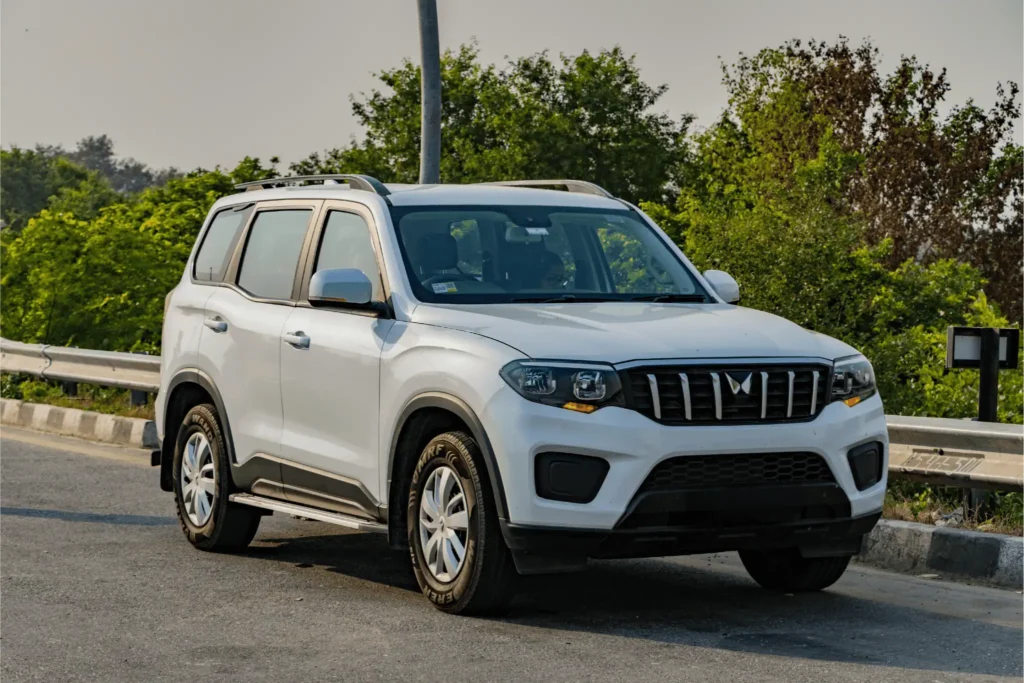
Standard 4WD jeeps are the most commonly used vehicles for trekking routes in Nepal. They are specially designed to handle a mix of highways, rough mountain roads, gravel paths, and off road terrain that is common in remote Himalayan regions.
These jeeps are strong, reliable, and equipped with four wheel drive systems that help them maintain grip and stability on steep climbs, muddy tracks, and uneven surfaces. Because of this, they are widely used for trekking transportation across Nepal.
Common examples of standard 4WD SUVs used for trekking routes include vehicles like Mahindra Scorpio, Toyota Hilux, Toyota Land Cruiser Prado (standard variant), and Ford Everest. These models are popular because they combine durability with the ability to handle tough road conditions.
A standard 4WD jeep usually accommodates around 6 to 7 passengers, making it suitable for small groups, families, or trekking teams. There is also enough space for backpacks, trekking gear, and supplies needed for long journeys.
While they are not luxury vehicles, they provide a comfortable enough ride for long travel hours. The seating is supportive, and the suspension helps reduce the impact of bumpy and uneven roads commonly found on trekking routes.
Most importantly, these jeeps are usually driven by experienced drivers who are familiar with Nepal’s mountain roads, weather changes, and remote travel conditions. This greatly improves safety and reliability during the journey.
Overall, standard 4WD jeeps are one of the most practical and widely used options for reaching trekking starting points in Nepal, offering a strong balance of comfort, safety, and affordability.
2. Luxury Jeeps
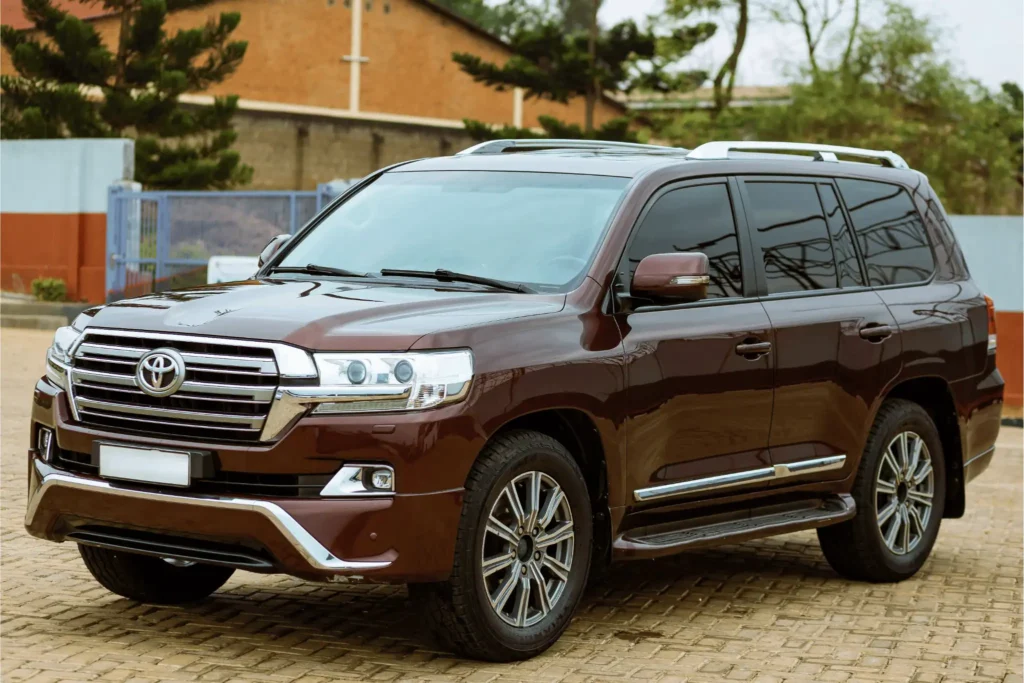
Luxury jeeps are the premium category of vehicles used for trekking routes and long distance travel in Nepal. They are designed for travelers who prefer extra comfort, smooth performance, and a more refined travel experience while exploring the Himalayas.
These jeeps are commonly high end SUV models such as Toyota Land Cruiser, Toyota Prado, and similar premium 4WD vehicles. They are known for their powerful engines, advanced suspension systems, and superior stability on both highways and rough mountain roads.
One of the main advantages of luxury jeeps is comfort. They offer spacious seating, soft interiors, better legroom, and enhanced air conditioning systems. This makes long journeys much more relaxing, especially on routes that take many hours to reach trekking starting points.
Luxury jeeps also provide a smoother ride compared to standard vehicles. Their advanced suspension helps reduce the impact of bumps and uneven terrain, which is especially useful on off road Himalayan routes where road conditions can be challenging.
In terms of safety, luxury jeeps are built with strong bodies and modern driving features that improve control on steep and winding roads. Combined with experienced drivers, they ensure a secure and stable travel experience even in remote areas.
These vehicles are often preferred by families, small private groups, or travelers who want a more comfortable journey to destinations like Upper Mustang, Everest access routes, or long distance Annapurna journeys.
Although luxury jeeps are more expensive than standard options, they offer a premium experience that combines comfort, safety, and reliability, making the journey as enjoyable as the trekking adventure itself.
3. Shared Jeeps
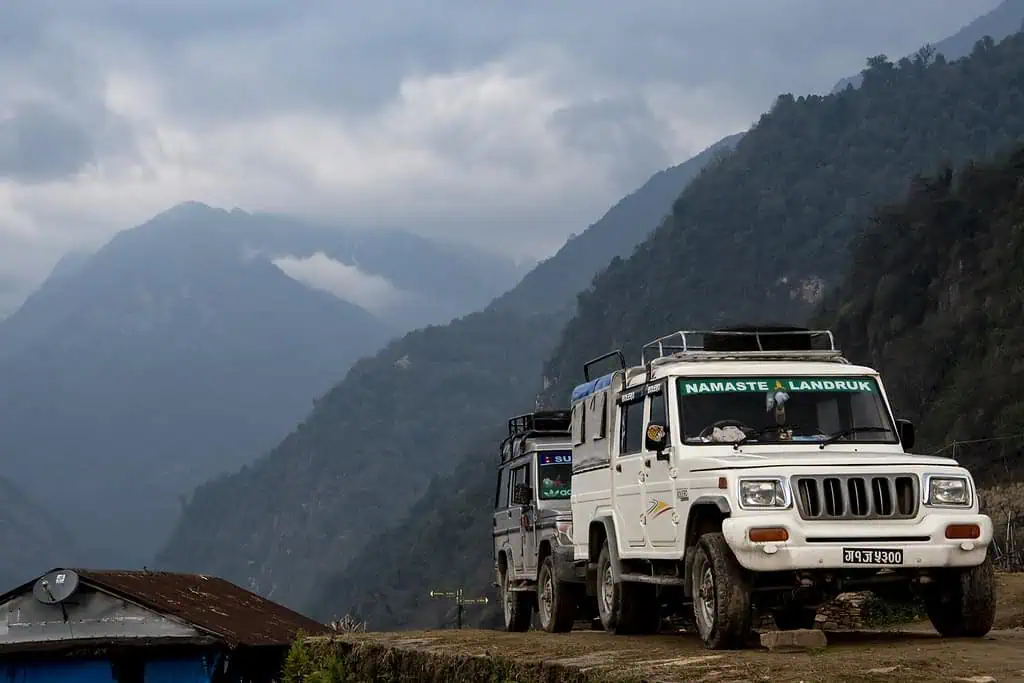
Shared jeeps are a popular and budget friendly way to travel to trekking regions in Nepal. Instead of booking an entire vehicle, multiple travelers share the same jeep and split the cost, making it an affordable option for solo trekkers and small groups.
These jeeps usually operate on fixed routes between major cities and trekking gateways such as travel from Kathmandu to Syabrubesi for Langtang, Besisahar for Annapurna, or Salleri for the Everest region. They follow a schedule based on demand, especially during peak trekking seasons.
One of the main advantages of shared jeeps is cost efficiency. Since the fare is divided among passengers, it becomes much cheaper compared to hiring a private jeep. This makes it a preferred choice for backpackers and budget travelers who still want access to remote trekking routes.
Shared jeeps are also fairly common, so they are easy to find in popular trekking hubs. However, departure times are usually fixed, and the jeep only leaves once it is fully or nearly fully booked. This means travelers may need to wait for other passengers before starting the journey.
In terms of comfort, shared jeeps are more basic compared to private or luxury options. Space is limited, and luggage is shared among passengers. However, they still offer a much faster and more reliable alternative to public buses, especially on rough mountain roads.
Another benefit is the social experience. Traveling in a shared jeep allows trekkers to meet other travelers, exchange trekking information, and sometimes even find trekking partners for the journey ahead.
Overall, shared jeeps are a practical and economical choice for reaching trekking destinations in Nepal, especially for those who prioritize budget travel over privacy and luxury.
Comparison of Jeep Types for Trekking Routes in Nepal
| Feature | Shared Jeeps | Standard 4WD Jeeps | Luxury Jeeps |
|---|---|---|---|
| Comfort Level | Basic seating, shared space, limited comfort | Moderate comfort, good seating, suitable for long travel | High comfort, spacious seats, premium interiors, smooth ride |
| Cost | Lowest cost, budget friendly option | Mid range cost, balanced pricing | Highest cost, premium pricing |
| Flexibility | Fixed departure, leaves only when full | Semi flexible, scheduled or private booking | Fully flexible, custom departure time and stops |
| Road Performance | Same vehicle type but depends on load and road conditions | Strong off road performance, ideal for mountain routes | Excellent stability and smooth driving on all terrains |
| Passenger Capacity | 6 to 10 passengers (shared) | 5 to 7 passengers | 4 to 6 passengers (more space per person) |
| Best For | Solo travelers, backpackers, budget trekkers | Groups, trekkers, adventure travelers | Families, premium travelers, comfort focused trips |
| Luggage Space | Limited and shared | Adequate space for trekking gear | Extra space and organized storage |
| Availability | Common on popular routes, may require waiting time | Easily available with booking | Available on pre booking basis |
Cost of Jeep Rental in Nepal
The cost of jeep rental in Nepal varies depending on the trekking route, distance, vehicle type, road conditions, and whether you choose a private or shared option. Prices are generally higher for remote Himalayan destinations because of rough roads, fuel consumption, and travel time.
Below is a clear breakdown to help you understand the typical pricing for jeep rentals used in trekking routes.
Average Jeep Rental Cost in Nepal
Short Distance Trips (Half Day or Local Travel)
For short trips around cities like Kathmandu or nearby areas:
- Around NPR 6,000 to 9,000 for half day use
- Around NPR 9,000 to 12,000 for full day use
These are usually standard 4WD jeeps used for sightseeing or short transfers.
Popular Trekking Route Transfers
These are one way or drop services to trekking starting points:
- Kathmandu to Syabrubesi (Langtang): NPR 18,000 to 22,000
- Kathmandu to Besisahar (Annapurna Circuit): NPR 18,000 to 25,000
- Kathmandu to Salleri (Everest region access): NPR 20,000 to 30,000
These routes involve long drives on rough roads, which increases the cost.
Long Distance and Remote Trekking Routes
For difficult and remote regions:
- Pokhara to Jomsom or Muktinath: NPR 25,000 to 40,000+
- Upper Mustang routes: NPR 40,000 to 70,000+ (multi day trips)
- Manaslu region access (Soti Khola or Machha Khola): NPR 20,000 to 35,000
These trips are more expensive due to off road terrain, multiple days of travel, and fuel usage.
Shared Jeep Cost
Shared jeeps are more affordable because the cost is divided among passengers:
- NPR 1,500 to 3,500 per person depending on route
- Common on routes like Kathmandu to Syabrubesi, Besisahar, or Salleri
This is the best option for budget travelers or solo trekkers.
Factors That Affect Jeep Rental Cost
Distance and Route Difficulty
Longer and more remote routes cost more due to fuel and travel time.
Vehicle Type
- Standard 4WD (Scorpio, Bolero): Most affordable
- Luxury SUVs (Land Cruiser, Prado): Higher cost for comfort
Travel Season
Prices increase during peak trekking seasons like spring and autumn due to high demand.
Private vs Shared Booking
Private jeeps are more expensive but offer full flexibility, while shared jeeps are cheaper but less flexible.
Benefits of Renting a Jeep for Trekking Routes
Renting a jeep for trekking routes in Nepal has become one of the most practical and popular choices among travelers. It not only improves the overall travel experience but also makes reaching remote Himalayan regions much easier and more enjoyable.
1. Faster and More Efficient Travel
One of the biggest benefits of jeep rental is saving time. Public transportation often takes longer due to frequent stops and indirect routes. A jeep allows you to travel directly to your trekking starting point, reducing unnecessary delays and helping you begin your trek on time.
2. Comfortable Journey on Rough Roads
Trekking routes in Nepal often involve long drives on bumpy, unpaved, and winding roads. Jeeps are designed for such conditions, offering better suspension and seating comfort compared to buses. This ensures a smoother and less tiring journey before your trek even begins.
3. Access to Remote Trekking Areas
Many trekking destinations such as Langtang, Manaslu, Everest access routes, and Upper Mustang are located in remote regions. Public transport may not reach these areas directly, but jeeps can easily navigate rough terrain and take you closer to the trailhead.
4. Safe and Reliable Transportation
Safety is a key concern when traveling in mountainous regions. Jeep rentals usually come with experienced drivers who are familiar with local roads, weather conditions, and challenging routes. This makes the journey more secure and reliable, especially in landslide prone or high altitude areas.
5. Flexible Travel Experience
Unlike buses with fixed schedules, jeep rentals offer flexibility. You can choose your departure time, stop along the way for breaks or photography, and adjust your journey according to your travel needs. This makes the experience more personalized and stress free.
6. Ideal for Groups and Cost Sharing
Jeep rentals are perfect for group travel. When the cost is shared among friends or fellow trekkers, it becomes a very cost effective option. At the same time, everyone enjoys privacy and comfort compared to crowded public transport.
7. Better Preparation for Trekking
Starting a trek requires energy and focus. A comfortable jeep journey helps you arrive at the trailhead refreshed instead of exhausted. This improves your overall trekking experience from the very beginning.
Things to Consider Before Renting a Jeep
Renting a jeep for trekking routes in Nepal is a smart choice, but selecting the right service requires some careful planning. Since you will often be traveling on long, remote, and rough mountain roads, a few important factors should be checked before booking.
1. Condition of the Vehicle
Always make sure the jeep is in good condition before confirming your booking. The vehicle should be well maintained, especially because trekking routes involve off road driving, steep climbs, and uneven terrain. A reliable jeep reduces the risk of breakdowns during the journey.
2. Experience of the Driver
The driver plays a very important role in your safety and comfort. Roads leading to trekking regions are often narrow, winding, and affected by weather conditions. Choosing an experienced driver who knows the routes well ensures a safer and smoother journey.
3. Type of Jeep Needed
Different routes require different types of jeeps. For example, remote destinations like Upper Mustang or Manaslu need strong 4WD vehicles, while shorter routes can be managed with standard SUVs. Luxury jeeps are suitable for those who want extra comfort during long journeys.
4. Clear Understanding of Pricing
Before renting a jeep, always confirm what is included in the price. Some services include fuel and driver charges, while others may charge separately. Clarifying this in advance helps avoid confusion or extra costs later.
5. Route and Travel Duration
Understand your route properly before booking. Some trekking destinations take only a few hours, while others may require an entire day or multiple days of travel. Knowing the distance helps you choose the right vehicle and plan your journey better.
6. Booking in Advance
During peak trekking seasons like spring and autumn, jeep demand is very high. Booking in advance ensures availability and often better pricing. Last minute bookings may limit your options or increase cost.
7. Luggage Space
If you are going for a trek, you will likely carry backpacks, sleeping bags, and gear. Make sure the jeep has enough luggage space so that your travel remains comfortable and organized.
8. Road and Weather Conditions
Weather in Nepal can change quickly, especially in mountain regions. Rain, landslides, or snowfall can affect road conditions. It is important to check seasonal conditions and plan accordingly for a safer journey.
Best Time for Jeep Travel to Trekking Routes
Choosing the right time for jeep travel in Nepal is very important because road conditions, weather, and visibility can directly affect your journey. Since most trekking routes pass through mountainous terrain, timing your trip well ensures a safer, smoother, and more enjoyable experience.
Spring Season (March to May)
Spring is one of the best times for jeep travel in Nepal. The weather is generally stable, skies are clear, and temperatures are moderate.
Road conditions are also better compared to winter or monsoon, making it easier for jeeps to travel to remote trekking regions. This season is especially popular for routes like Annapurna, Everest access roads, and Langtang.
Autumn Season (September to November)
Autumn is considered the peak season for both trekking and jeep travel. After the monsoon rains, the air becomes clean, visibility improves, and mountain views are at their best.
Roads are usually dry and more stable during this period, making jeep journeys more comfortable and reliable. This is the most recommended time for destinations like Upper Mustang, Manaslu, and Annapurna Circuit access points.
Winter Season (December to February)
Winter travel is possible, but conditions can be challenging in higher elevations. Snowfall in mountain regions may block roads or make them slippery.
However, lower altitude routes like Kathmandu to Syabrubesi or Pokhara to nearby trekking points are still accessible with proper 4WD jeeps. Travelers should be prepared for cold temperatures and possible delays.
Monsoon Season (June to August)
Monsoon is the least favorable time for jeep travel in Nepal. Heavy rainfall can cause landslides, muddy roads, and reduced visibility in many trekking regions.
Some routes may still operate, but delays and road blockages are common. If traveling during this season, it is important to choose experienced drivers and strong 4WD vehicles.
Tips for a Comfortable Jeep Journey
A jeep journey to trekking routes in Nepal can be long, bumpy, and tiring if you are not well prepared. Since many roads pass through hills and remote mountain areas, a little planning can make your travel much more comfortable and enjoyable.
1. Choose the Right Jeep Type
Selecting the right jeep is the first step to a comfortable journey. If you are traveling long distances or with family, a standard 4WD or luxury jeep is a better choice. These vehicles offer better seating, stability, and space for luggage compared to smaller or shared options.
2. Pack Light but Smart
Space inside a jeep is limited, especially on shared or group trips. Carry only essential items like clothing, trekking gear, snacks, and important documents. Avoid unnecessary luggage so that you can travel comfortably without feeling cramped.
3. Start the Journey Early
Starting early in the morning helps you avoid traffic in cities and reduces the chance of traveling in low visibility conditions during evening hours. It also gives you enough time to reach your destination without rushing.
4. Carry Snacks and Water
Long jeep rides often pass through areas where food stops are limited. Carrying light snacks, energy bars, and drinking water helps you stay refreshed during the journey.
5. Dress Comfortably
Wear comfortable clothing suitable for long hours of sitting. Layered clothing is recommended because temperatures can change as you move from lower to higher altitudes.
6. Be Prepared for Rough Roads
Some trekking routes include bumpy and uneven roads. It is helpful to be mentally prepared for slow travel in certain sections. Choosing a strong 4WD jeep and sitting comfortably can make a big difference.
7. Keep Essentials Handy
Always keep important items like your passport, permits, phone, charger, and medications within easy reach. Avoid placing them deep inside luggage that is hard to access during stops.
8. Take Breaks When Needed
One of the advantages of jeep travel is flexibility. Do not hesitate to request short breaks for rest, stretching, or photography. This helps reduce fatigue during long journeys.
9. Travel with an Experienced Driver
A skilled driver who knows mountain roads well can make your journey much safer and smoother. Their experience in handling curves, steep roads, and weather conditions is very valuable.
Why Choose a Professional Jeep Rental Service
Choosing a professional jeep rental service in Nepal is one of the most important decisions for a safe and smooth trekking journey. Since most trekking routes involve long hours of travel on rough mountain roads, the quality of service you choose can directly affect your overall experience.
1. Well Maintained and Reliable Vehicles
Professional jeep rental companies ensure that their vehicles are regularly checked and properly maintained. This is very important because trekking routes often include steep climbs, rocky paths, and unpredictable road conditions. A well maintained jeep reduces the risk of breakdowns during the journey.
2. Experienced and Skilled Drivers
One of the biggest advantages of a professional service is the availability of experienced drivers. These drivers are familiar with mountain roads, weather changes, and remote travel conditions. Their expertise helps ensure a safer and more comfortable journey, especially in difficult terrains.
3. Transparent Pricing
Professional rental services provide clear and upfront pricing without hidden charges. You know exactly what is included in the cost, such as fuel, driver fees, and route details. This transparency helps you plan your budget better and avoid unexpected expenses.
4. Better Customer Support
Reliable companies offer proper customer support before and during your trip. Whether it is booking assistance, route information, or emergency help, having support available makes your travel experience more stress free and organized.
5. Flexible Travel Options
Professional jeep rental services often provide flexible options such as private jeeps, shared rides, and customized itineraries. This allows travelers to choose according to their budget, group size, and travel preferences.
6. Safety Assurance
Safety is a top priority for professional services. From vehicle condition to driver training, everything is managed to ensure safe travel in challenging mountain environments. This is especially important for remote routes like Manaslu, Upper Mustang, or Everest access roads.
7. Convenience and Time Saving
Booking through a professional service saves time and effort. You do not need to worry about negotiating with drivers or searching for vehicles. Everything is arranged in advance, allowing you to focus on your trekking experience.
How Jeep Rental Enhances Your Trekking Experience
A trekking adventure in Nepal is not only about the time spent on the trail. The journey to the trekking starting point is also an important part of the overall experience. Choosing a jeep rental can greatly improve this journey by making travel more comfortable, efficient, and enjoyable.
1. Reduces Travel Stress
Reaching remote trekking areas through public transportation can be tiring and unpredictable. Long waits, crowded buses, and multiple vehicle changes can create unnecessary stress before the trek even begins.
A jeep rental provides a direct and organized travel experience, allowing you to focus more on enjoying the trip rather than worrying about transportation problems.
2. Helps You Arrive with More Energy
Trekking in the Himalayas requires physical effort and endurance. Traveling for long hours in uncomfortable public transport can leave you exhausted before reaching the trailhead.
A comfortable jeep ride helps you conserve energy, so you begin your trek feeling refreshed and better prepared for the adventure ahead.
3. Gives You More Flexibility
Jeep travel offers freedom that public transportation cannot provide. You can choose your departure time, take breaks whenever needed, and stop at scenic locations for photos or meals.
This flexibility makes the journey more enjoyable and allows you to explore parts of Nepal that are often missed during rushed travel.
4. Improves Safety and Reliability
Roads leading to trekking destinations are often rough and challenging. Professional jeep drivers are experienced in handling mountain roads and changing weather conditions, making the journey much safer.
Reliable transportation also reduces the risk of delays or missed trekking schedules.
5. Allows Better Access to Remote Areas
Many trekking routes begin in remote regions where regular buses may not reach directly. Jeeps can travel through difficult terrain and take you much closer to the actual starting point of the trek.
This saves both time and physical effort, especially on longer trekking routes.
6. Enhances the Overall Travel Experience
Traveling by jeep lets you enjoy Nepal’s landscapes more comfortably. Along the way, you can experience mountain views, local villages, rivers, forests, and traditional lifestyles that become part of the adventure itself.
Instead of treating transportation as just a necessity, jeep travel turns the journey into an enjoyable experience.
Sustainable Travel Considerations
As trekking tourism continues to grow in Nepal, responsible and sustainable travel has become more important than ever. While jeep rentals provide convenience and better access to remote trekking routes, travelers should also consider how their journey can positively impact local communities and the environment.
1. Choose Shared Travel When Possible
One of the easiest ways to reduce environmental impact is by choosing shared jeep services whenever suitable. Sharing transportation reduces fuel consumption per traveler and helps minimize traffic on mountain roads.
It is also a budget friendly option that supports more efficient travel practices in trekking regions.
2. Avoid Littering During the Journey
Mountain areas in Nepal are naturally beautiful but environmentally sensitive. Travelers should avoid throwing plastic bottles, food wrappers, or other waste along roads or trekking routes.
Keeping a small waste bag during the journey helps maintain the cleanliness of these regions and protects local ecosystems.
3. Support Local Communities
Stopping at local tea houses, restaurants, and shops during jeep travel helps support the economy of remote mountain villages. Choosing local services contributes directly to the livelihoods of people living in trekking regions.
Responsible tourism creates long term benefits for local communities while preserving cultural traditions.
4. Respect Local Culture and Traditions
Many trekking areas in Nepal have strong cultural and religious values. Travelers should respect local customs, dress appropriately, and behave responsibly when visiting villages, monasteries, or community areas.
Simple gestures of respect help create positive interactions between visitors and local residents.
5. Travel During Suitable Seasons
Traveling during stable weather seasons reduces the risk of road damage caused by unnecessary travel during heavy rain or difficult conditions. Responsible travel planning helps reduce pressure on fragile mountain roads and infrastructure.
6. Choose Responsible Rental Services
Professional jeep rental companies that maintain their vehicles properly often operate more efficiently and safely. Well maintained vehicles produce fewer mechanical problems and contribute to more sustainable travel practices.
Conclusion
Jeep rental has become an essential part of trekking travel in Nepal, offering a safe, comfortable, and reliable way to reach remote Himalayan destinations. From the Everest region and Annapurna trails to Langtang, Manaslu, and Upper Mustang, jeeps make it easier for travelers to access trekking starting points that are difficult to reach through regular transportation.
Whether you choose a shared jeep for budget travel, a standard 4WD for practicality, or a luxury jeep for maximum comfort, the right vehicle can greatly improve your overall trekking experience. It saves time, reduces travel stress, and allows you to begin your adventure with more energy and flexibility.
Choosing a professional jeep rental service also ensures better safety, experienced drivers, and dependable transportation on challenging mountain roads. At the same time, responsible and sustainable travel practices help preserve Nepal’s natural beauty and support local communities along the journey.
Overall, renting a jeep for trekking routes in Nepal is more than just transportation. It is a smart and convenient way to make your Himalayan adventure smoother, safer, and far more enjoyable from the very beginning.
Frequently Asked Questions (FAQs)
1. Is jeep rental necessary for trekking routes in Nepal?
Jeep rental is not always necessary, but it is highly recommended for remote trekking routes where public transportation is limited, slow, or unreliable. It makes the journey more comfortable, safer, and time efficient.
2. Which trekking routes are most commonly accessed by jeep?
Popular trekking regions accessible by jeep include Everest access routes, Annapurna region, Langtang Valley, Manaslu Circuit, and Upper Mustang.
3. How much does jeep rental cost in Nepal?
Jeep rental prices depend on the route, distance, vehicle type, and whether the booking is private or shared. Costs usually range from around NPR 12,000 for shorter routes to over NPR 40,000 for remote destinations like Upper Mustang.
4. What is the difference between shared and private jeep rental?
Shared jeeps are more affordable because the cost is divided among passengers, while private jeeps offer more comfort, flexibility, and personalized travel schedules.
5. Are luxury jeeps available for trekking routes in Nepal?
Yes, luxury jeeps such as Toyota Land Cruiser and Prado are available for travelers who prefer extra comfort and smoother travel on long mountain routes.
6. Is jeep travel safe in Nepal?
Yes, jeep travel is generally safe when booked through a professional rental service with experienced drivers and well maintained vehicles.
7. What is the best season for jeep travel to trekking routes?
Spring from March to May and autumn from September to November are considered the best seasons because of stable weather and better road conditions.
8. How many people can travel in a jeep?
Most standard 4WD jeeps can comfortably accommodate around 5 to 7 passengers along with trekking luggage.
9. Can jeeps reach the actual trekking trailhead?
In many trekking regions, jeeps can reach very close to the trailhead, reducing extra walking time before the trek begins.
10. Should I book a jeep in advance?
Yes, advance booking is recommended, especially during peak trekking seasons when demand for jeep rentals is high.